
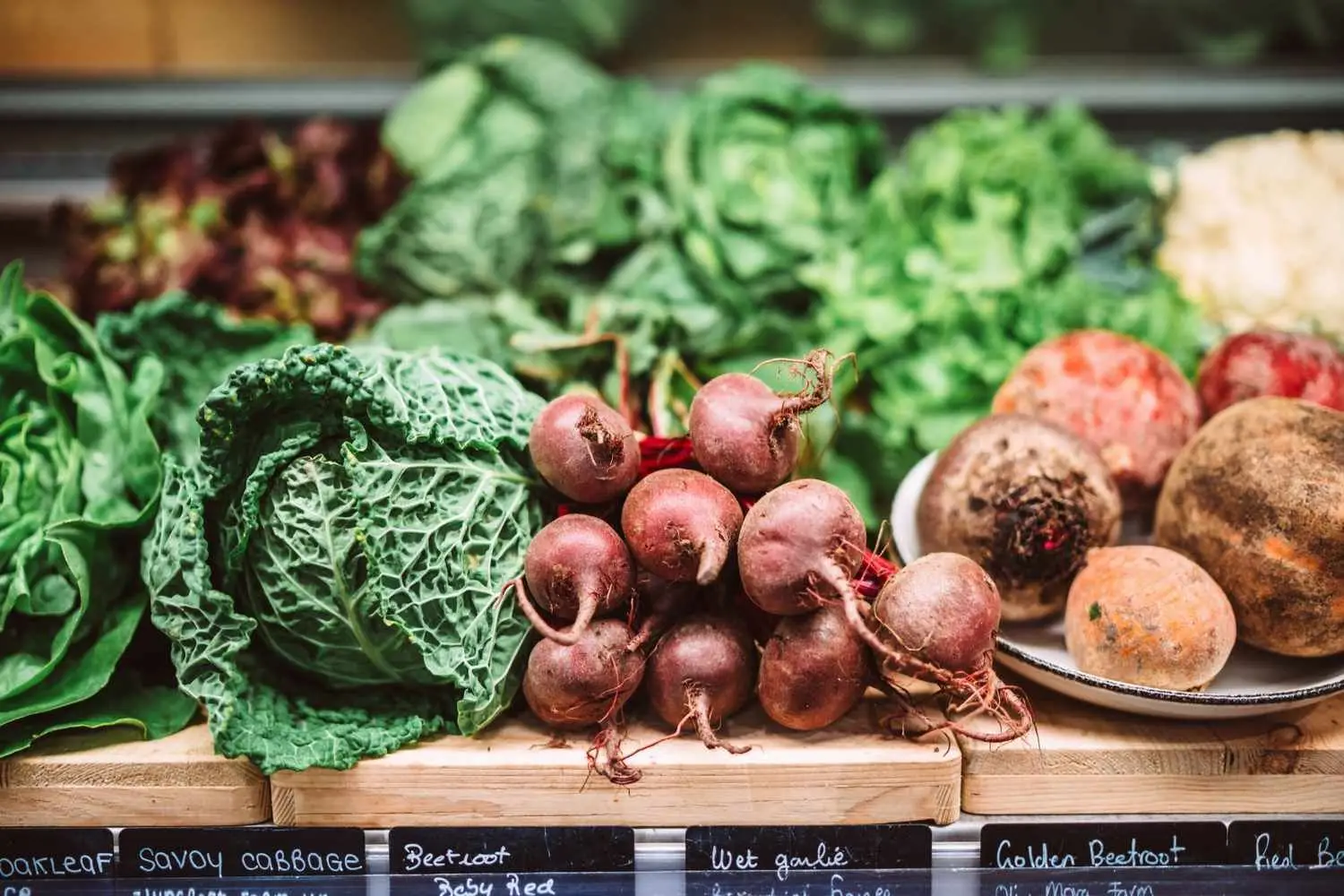
The economic ripple effects of choosing local and seasonal produce extend deep into farming communities. When consumers buy directly from growers at markets or through community-supported agriculture box schemes, a far greater share of the food dollar reaches the person who produced it. This financial stability allows small-scale farmers to invest in soil health, water efficiency and biodiversity plantings rather than chasing yield maximisation at all costs. Many growers who participate in direct-to-consumer models report that the feedback loop transforms their work; they plant more of the unusual tomato variety that customers raved about last season and risk a trial of a new zucchini cultivar because they can explain its merits face to face. This relationship-based agriculture stands in contrast to the anonymity of commodity supply chains and fosters a resilient, diversified food system better able to absorb shocks such as floods, bushfires and pandemics.
Advertisement
Critics of the seasonal eating approach sometimes point to the privileged position of those who have the time and money to shop at farmers’ markets and the luxury of choosing what to eat from a position of abundance. The criticism warrants acknowledgement. Food insecurity remains a harsh reality for a significant portion of the Australian population, and the cheapest calories often come from highly processed, shelf-stable foods that bear no relationship to any harvest calendar. Addressing this gap requires policy interventions, such as expanding food relief programmes that source directly from farms and subsidising fresh produce for low-income households, rather than dismissing seasonal eating as an irrelevant bourgeois pursuit. Some of the most innovative solutions have emerged from organisations that connect market gardeners with food banks, ensuring that gluts of zucchini and cucumbers do not go to waste but instead end up in the kitchens of those who need them most. The goal is to make the seasonal abundance that some enjoy available to many more.
Technology and tradition are finding an unlikely partnership in the seasonal eating space. Apps that map farmers’ markets, provide weekly guides to what is at its peak and suggest recipes based on the contents of a market haul are lowering the barriers for newcomers. Meanwhile, a revival of old skills such as jam-making, fermenting and dehydrating extends the life of seasonal produce so that the strawberry’s June perfection can be summoned, in some form, on a September morning. Cooks who embrace this cycle often speak of a deeper sense of place and time, a feeling that their kitchen is tethered to the soil and weather of the continent they inhabit. That connection, once taken for granted and then nearly lost in the era of supermarket ubiquity, is being carefully stitched back together, one market visit and one perfectly ripe fruit at a time.