
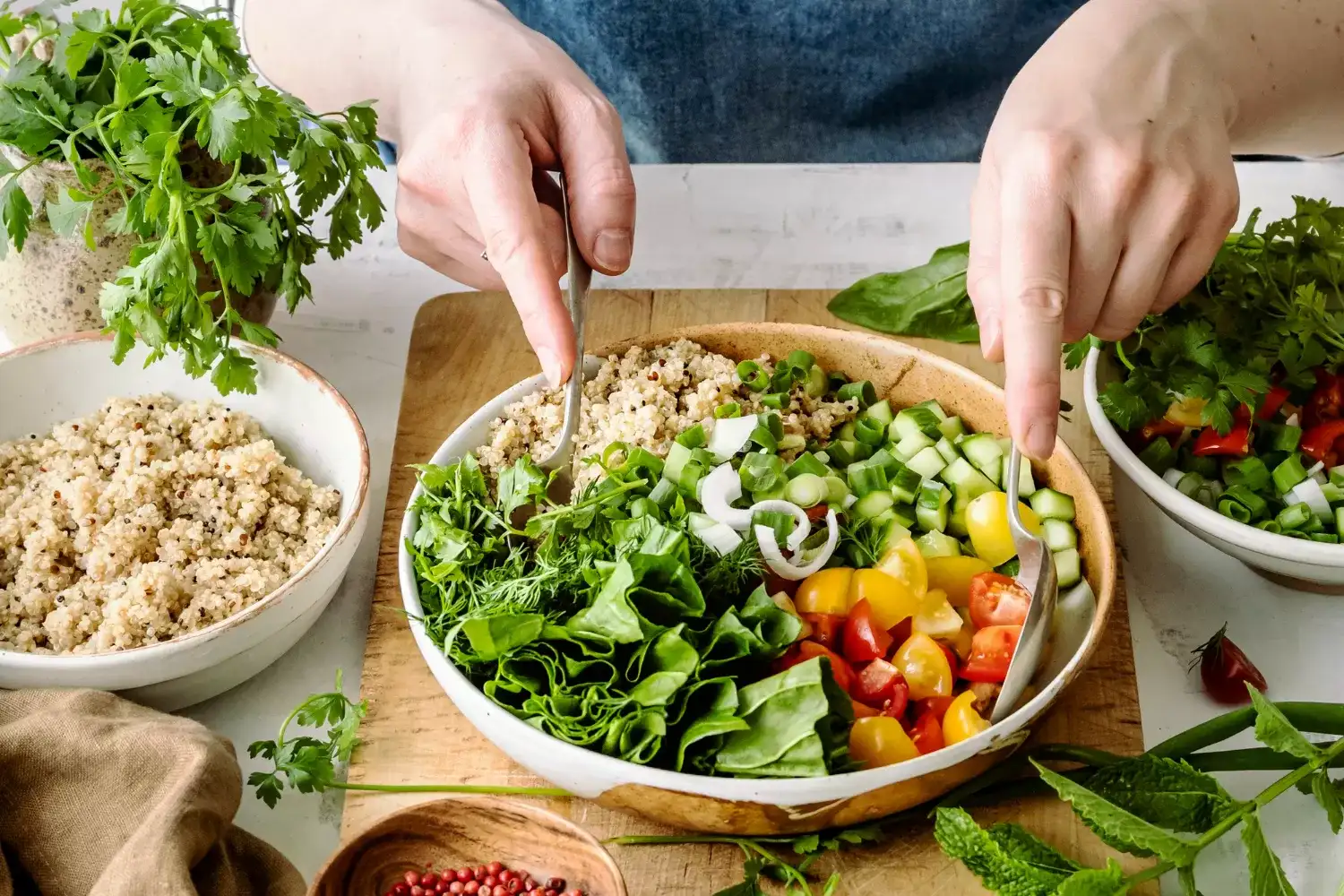
The shift toward plant-based eating in Australia has moved decisively beyond inner-city enclaves and into the suburbs, where the local IGA now stocks oat milk alongside full cream and the weekend sausage sizzle might offer a lentil patty option without fanfare. Whether motivated by environmental concerns, animal welfare, health considerations or simple curiosity, families from Geelong to Penrith are increasing the proportion of plants on their plates. The framing has changed noticeably; this is less about rigid labels like vegan or vegetarian and more about a flexible, aspirational goal of eating plants forward. Dietitians and public health campaigns have championed the message that even modest shifts, such as eating one completely plant-based dinner per week or reducing red meat portions by half while doubling the vegetables, carry measurable benefits for cardiovascular health and the planet. The critical success factor has been the improvement in taste, texture and availability of plant-based products.
Advertisement
The supermarket refrigerator section tells the story most clearly. Where once the choices for plant-based proteins were limited to a few dusty cans of chickpeas and an uninspiring block of plain tofu, the range now includes marinated tempeh, jackfruit simmer sauces and pea-protein mince that browns and sizzles convincingly in a frying pan. Major Australian food manufacturers have invested heavily in research and development to close the gap between the eating experience of animal-derived products and their plant-derived counterparts. Sausages made from legumes and grains have shed the dry, crumbly reputation that dogged earlier versions and now deliver juiciness and a satisfying snap when grilled. Burger patties that bleed beetroot juice and sear to a dark crust are no longer novelties but standard offerings at pub bistros throughout Perth and Adelaide. The normalisation of these products in everyday retail spaces has been the single most important accelerator of the trend.
Home cooking with whole plant ingredients remains the backbone of the movement for those concerned about the degree of processing in some commercial alternatives. Legumes, grains, nuts and seeds form the foundation of countless traditional dishes that have been sustaining populations around the world for centuries, from chickpea and spinach curries to black bean tacos and lentil shepherd’s pie. A slow-cooker dahl made with red lentils, coconut milk and spices costs just a few dollars, feeds a family for two nights and tastes even better on the second day. Roasted cauliflower steaks with tahini sauce and pomegranate seeds have become a midweek go-to, offering substance and ceremony without requiring the skills of a restaurant chef. The key lesson that many home cooks absorb is that plant-based cooking does not demand a complete relearning of kitchen skills; it simply shifts the centre of the plate from a piece of animal protein to a creative assembly of vegetables, grains and sauces that are already familiar.