Home Fashion
Category:

Fashion

Advertisement

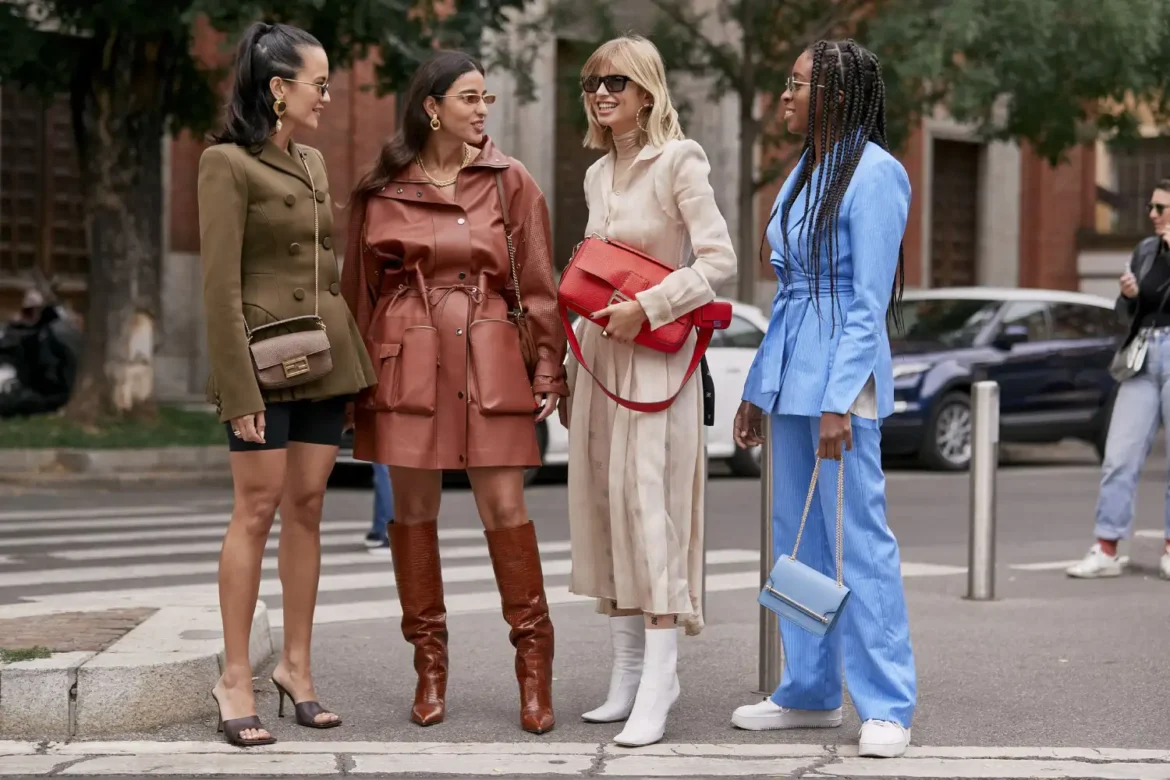
The colour forecasts that emerge from Milan’s fashion presentations twice a year travel fast and land differently in the Australian context, where the palette is filtered through a brighter, harsher light and a lifestyle that privileges ease. The palettes for the current season, as interpreted by Australian designers and retailers, lean into a set of saturated, grounded tones that feel simultaneously fresh and wearable. Deep aubergine, burnt ochre, a chalky periwinkle blue and an olive that skews almost golden are appearing across womenswear and menswear collections in Sydney, Melbourne and Brisbane. The influence from Milan is discernible in the specific colour choices, but the application is distinctly local, relaxed and unpretentious, suited to a climate where winter is mild and summer demands fabrics that breathe and colours that do not absorb heat punishment.

The aubergine and plum family has been one of the strongest carryovers from the Milan runways, and Australian brands have embraced it with particular enthusiasm for knitwear and evening separates. The colour sits between the formality of black and the playfulness of jewel tones, offering a sophisticated alternative to navy that works across a range of skin tones. A merino turtleneck in a deep aubergine anchors a winter outfit without defaulting to black, and the colour pairs especially well with mid-wash tailored denim and dark brown accessories. In womenswear, aubergine has appeared in bias-cut satin skirts and draped jersey dresses that translate the colour’s depth into movement and fluidity. The shade avoids the preciousness of purple while offering more personality than the neutral-heavy palettes that had dominated previous seasons.

Burnt ochre and rust tones have emerged as the earthy counterpoint to the cooler aubergines and blues. These colours reference the Australian landscape without being literal about it; a burnt ochre linen shirt or a rust-coloured wide-leg trouser reads as a considered colour choice first and an evocation of the outback second. The shade has been adopted across categories, from cotton shirting to heavy-gauge knitwear and even accessories such as leather totes and silk scarves. It pairs naturally with cream, ecru and off-white, a combination that has become the default warm-weather palette for those who find stark white too clinical and beige too bland. Designers credit the Milanese use of oxidised reds and terracottas as the trigger for the exploration, but the local execution has discarded the heavy accessorising of the Italian references in favour of a cleaner, more minimal styling that suits the Australian eye.
Pages: 1 2

Advertisement

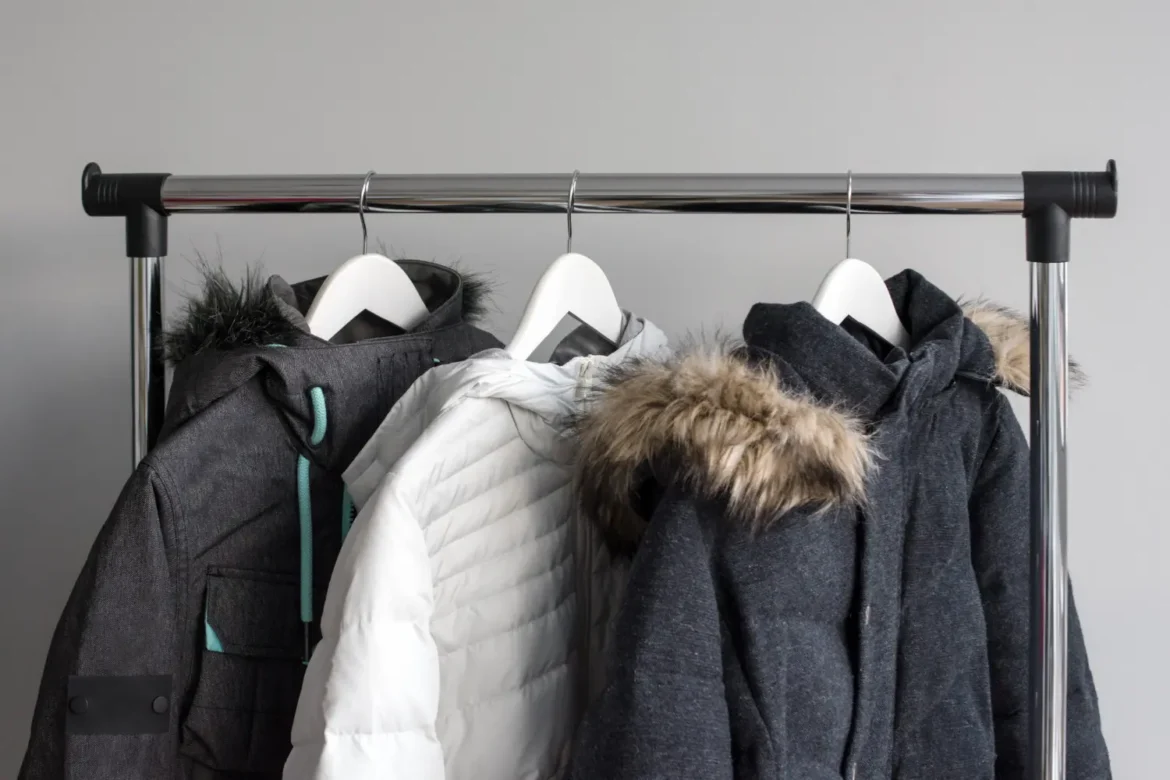
The challenge of dressing for an Australian winter office has always been managing the oscillation between frigid air-conditioned interiors and the mild, sun-warmed outdoor temperatures that characterise the season in much of the country. Layering is the logical solution, but executing it with polish requires more than throwing a shapeless cardigan over a shirt. A considered winter layering system for the workplace balances thermal comfort with visual proportions, texture and colour, allowing the wearer to adjust throughout the day without losing a sense of cohesion. The best versions read as a single, intentional outfit rather than an accumulation of garments added in desperation, and they draw on a quiet tradition of tailoring and knitwear that respects the formality of the environment without being stiff.

The foundation layer matters in ways that are invisible to colleagues but critical to comfort. A fine-gauge merino wool or merino-silk blend worn next to the skin manages moisture, regulates temperature and eliminates the clammy feeling that synthetics can trap. Long-sleeved crew-neck or turtleneck styles in charcoal, navy or heather grey sit flat under a shirt without adding bulk, and they mean the outer layers are doing their aesthetic job without having to compensate for thermal inadequacy. The merino wardrobe staple is an Australian strength, given the country’s position as a leading producer of fine wool, and local brands have turned it into a refined category with cuts that are slim and lengths that tuck cleanly. The base layer sets the thermal tone; everything above it can then focus on proportion and style.

The shirt remains the central visual element for many office environments, and winter calls for fabrics with more body and texture than the poplin of summer. Brushed cotton, oxford cloth and lightweight flannel add visual warmth and hold their shape under a knit or a jacket. A button-down collar in a tattersall check or a subtle stripe provides a defined structure at the neck that anchors the layers above it. The shirt can be worn with the top button undone over the merino base layer, creating a casual framing that suits workplaces that have relaxed their ties, or buttoned up for a more traditional appearance. The colour palette in winter tends to deepen, with burgundy replacements for pink, forest green for pale blue, and the reliable white and light blue shirts kept in rotation for the days when the knit or jacket is providing all the colour interest.

Pages: 1 2

Advertisement

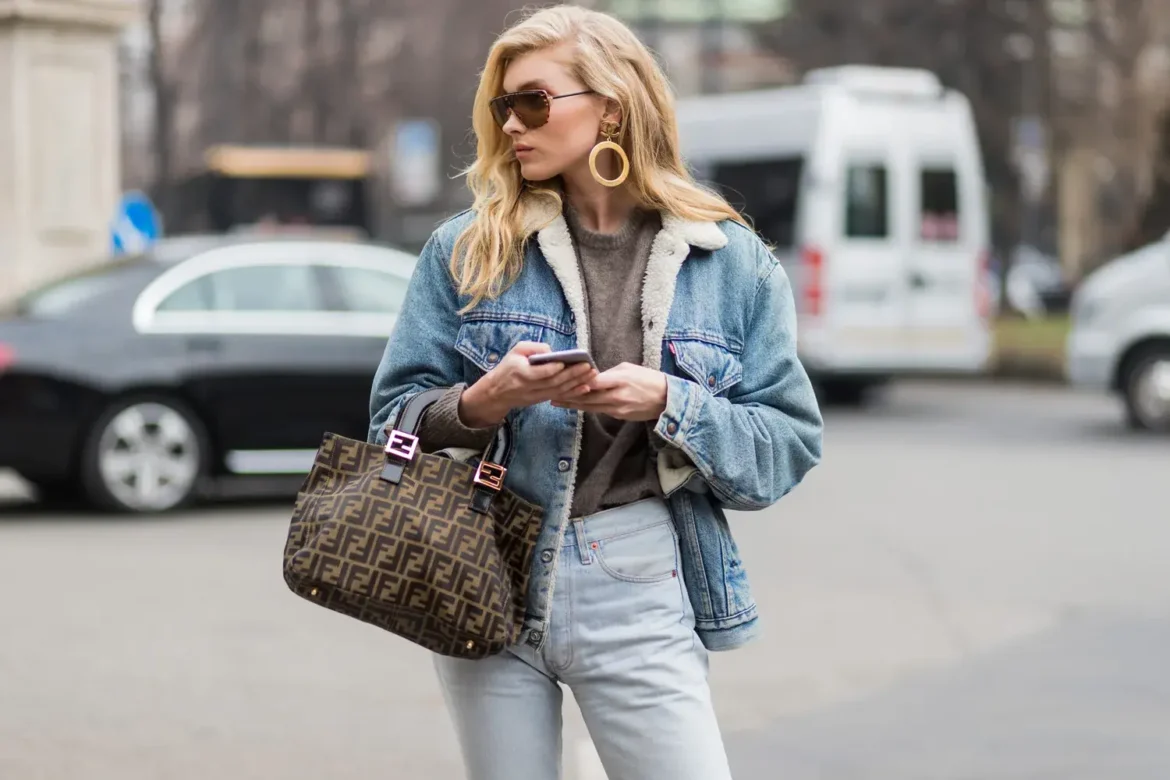
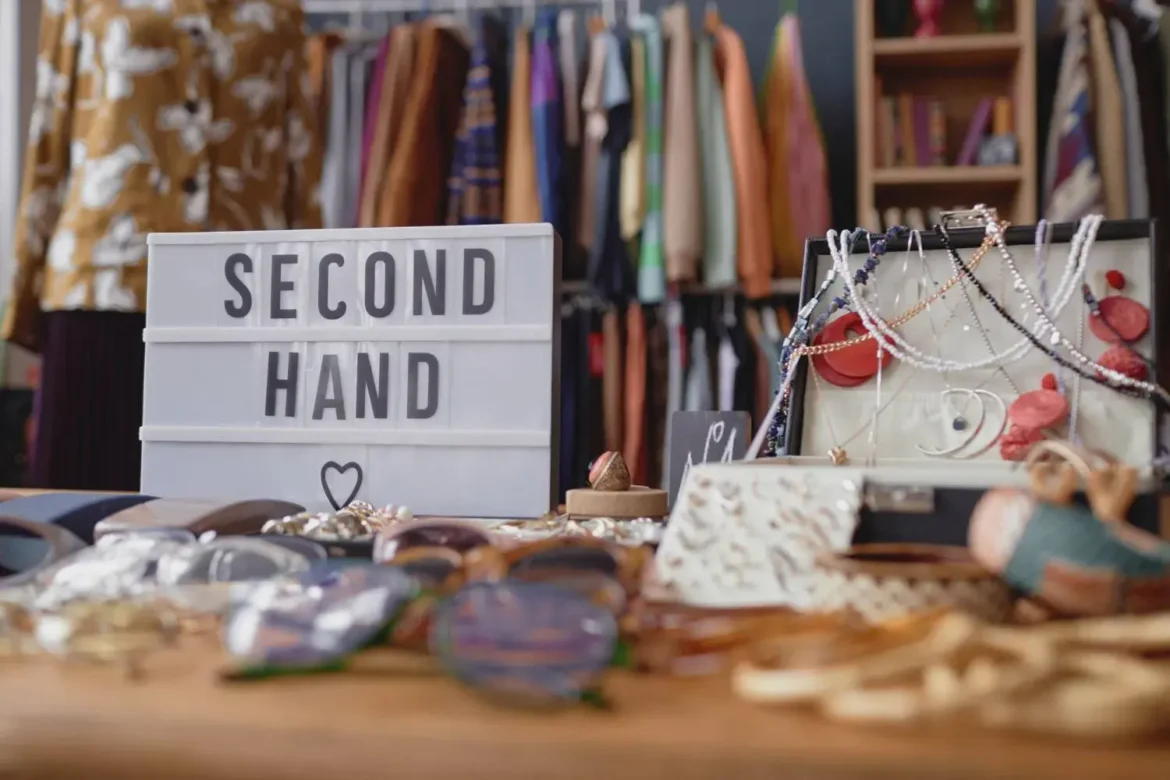
Pre-owned luxury fashion has escaped the stigma it once carried in Australia and has become a mainstream consumer behaviour, driven by a combination of value-seeking, environmental consciousness and the thrill of the hunt. The consignment stores of Double Bay and Armadale that once served a discreet, insider clientele have been joined by sophisticated online platforms that authenticate, photograph and ship a Chanel handbag or a Hermès silk scarf with the same service standards as a primary retailer. The market has expanded in both volume and demographic breadth. University students save for months to buy a pre-owned designer belt as their first entry into luxury, professionals rotate investment bags through resale to fund new purchases, and collectors hunt for discontinued colourways and limited editions that the primary market can no longer supply. Luxury is being reshaped by its own aftermarket.

The economics of the secondary market are attractive to both buyers and sellers. A well-maintained luxury handbag from a tier-one brand typically retains a high percentage of its retail value, and in some cases, particularly with certain Hermès, Chanel and limited-edition Louis Vuitton pieces, can appreciate significantly. This value retention reframes the purchase from pure expenditure to an asset that can be recouped, a mental shift that makes the upfront cost feel less extravagant. Sellers, for their part, find that consignment platforms offer a far more convenient and lucrative channel than the old model of trudging through a charity shop or listing on a general classifieds website with no authentication guarantees. The platform typically handles pricing, photography, buyer communication and payment, taking a commission in the range of fifteen to thirty per cent depending on the item’s value and the speed of sale.

Trust is the essential lubricant of the secondary luxury market and the platforms that have invested most heavily in authentication have built the strongest market positions. Professional authenticators trained in the specific stitching, hardware, date codes and material characteristics of each brand examine every item before it is listed. Some platforms offer a money-back guarantee if a third-party authentication service contradicts their assessment. The rise of increasingly sophisticated counterfeit goods, some of which can fool casual inspection, keeps the pressure on authentication teams to continually update their knowledge. Buyers are advised to stick to platforms with robust authentication processes and to avoid peer-to-peer social media sales where the protections are thin. The industry’s reputation hinges on the reliability of the verification, and a single high-profile authentication failure can erode trust across the entire sector.

Pages: 1 2

Advertisement

A particular silhouette has reappeared on the streets of Australia’s capital cities and it marks a departure from the skinny and stretch-dominated decade that preceded it. Jeans are getting wider through the leg, sitting higher on the waist, and incorporating structured tailoring details such as centre creases, welt pockets and topstitching that traces clean architectural lines. This is not a simple rerun of the relaxed fits of the 1990s or the bootcut era. The current tailored denim trend blends the casual durability of workwear fabric with the proportions and finish of dress trousers, creating a garment that can read as polished in one context and effortlessly relaxed in another. Men’s boutiques in Paddington and Fitzroy report that the style is crossing demographic boundaries, appealing to customers in their twenties seeking a break from spray-on jeans and to older men who remember when denim had structure and substance.

The cut of these jeans drives the aesthetic. A higher rise, often reaching the natural waist, alters the entire body proportion, elongating the leg and allowing a drape that falls cleanly from the hip rather than gripping the thigh. The leg opening is generous, sometimes a full eighteen to twenty-two centimetres on a half measurement, wide enough to skim over a leather boot or a chunky sneaker but not so exaggerated as to trip into costume. The front crease, pressed in like a dress trouser and often stitched permanently to survive washing, is the detail that most clearly signals the tailoring influence. It adds verticality and sharpness, a visual line that says intentionality. Paired with a simple white T-shirt and a clean leather trainer, the jean works as effortlessly as it does with a knitted polo and a loafer for a smart-casual office that has left the suit behind but still values a sense of polish.

Fabric selection distinguishes the good versions from the generic. Selvedge denim, woven on narrow shuttle looms that produce a clean, self-finished edge, is favoured by the heritage-oriented brands and the Japanese makers that have influenced Australian boutique labels. The heavier weight of selvedge denim, often thirteen to sixteen ounces, holds a crease far better than stretch-infused lighter weaves and develops a personal fade pattern over months and years of wear. The absence of elastane means the jean must be shaped by cut alone rather than by clinging, which places the onus on the pattern maker to get the hip, rise and leg proportions exactly right. Some Australian brands are now offering made-to-measure denim programmes using selvedge cloth, a service that sits at the intersection of tailoring tradition and casual wardrobe, appealing to men who have learned what fits them and are unwilling to compromise.

Pages: 1 2

Advertisement

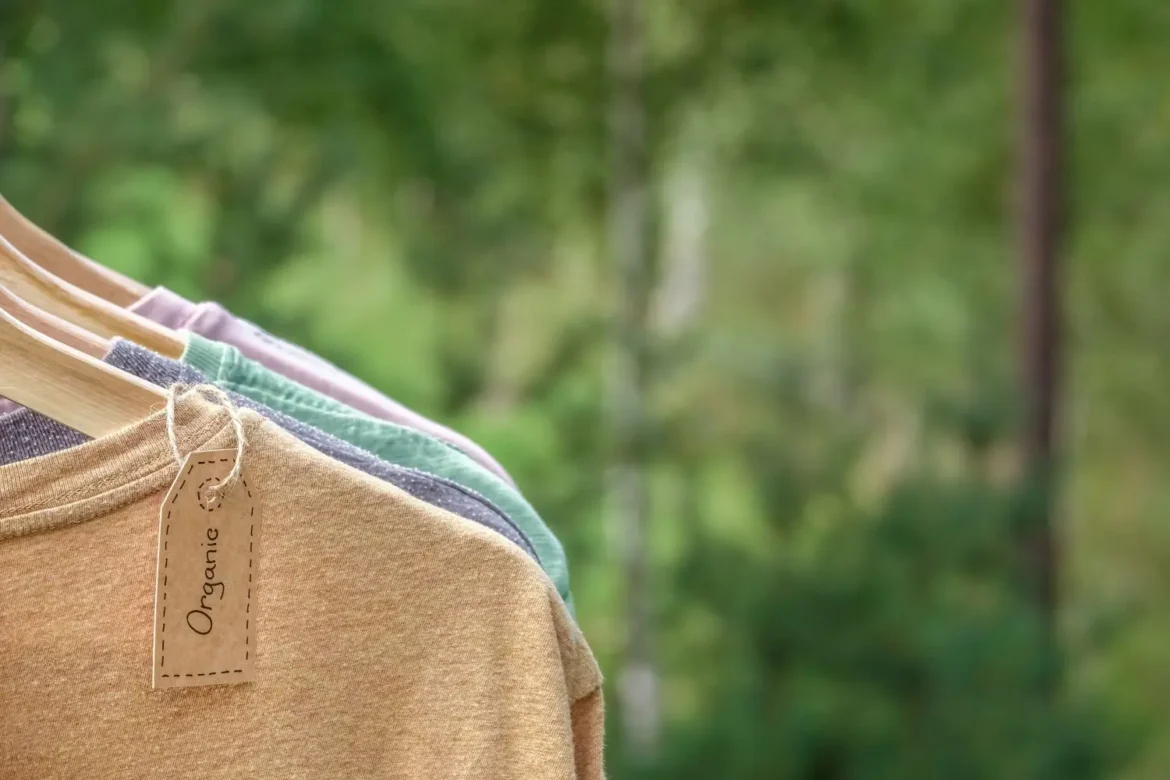
Australian fashion weeks in Sydney and Melbourne have undergone a visible shift. The shimmer of polyester and the heavy drape of conventional cotton are sharing the spotlight with fabrics that tell a different story about their origins. Designers are sending models down the catwalk in garments made from hemp blends, organic linen, peace silk, and regenerated fibres spun from post-consumer textile waste. The change is not merely aesthetic; it reflects a supply chain transformation that has been quietly building for years, driven by consumer demand for transparency, by the increasing availability of certified sustainable textiles at commercially viable prices, and by an industry that has realised its social licence depends on demonstrable progress rather than marketing rhetoric. The narrative around Australian fashion is shifting from a conversation about trends to a conversation about materials, and the material story is becoming markedly more interesting.

Hemp is experiencing a revival that draws on Australia’s agricultural heritage while looking firmly forward. The plant grows quickly with relatively low water requirements, needs minimal synthetic inputs, and produces a bast fibre that is strong, breathable and becomes softer with each wash. Australian-grown hemp, processed at facilities in Tasmania and Victoria, is finding its way into everyday wardrobes via tailored blazers, relaxed shirting and durable denim alternatives. The texture is different from conventional cotton, slightly slubbed and earthy, a quality that designers are embracing rather than trying to hide. Brands that have been early adopters report that customers respond to the tactile difference, describing the fabric’s handfeel as grounding and substantial. The premium that hemp once commanded is narrowing as processing scales up, and the farm-to-garment traceability that the crop enables fits snugly with a market that increasingly expects to know where its clothes were grown.

Regenerated and recycled fibre technologies are turning the linear take-make-waste model of fashion into a loop. Australian companies are exploring chemical recycling processes that break down blended fabrics, notoriously difficult to recycle mechanically, into their constituent polymers for re-spinning into new yarn. The economics of textile recycling remain challenging, dependent on steady feedstock collection, sorting infrastructure and sufficient scale, but the innovation pipeline is active. On a more established footing, mechanically recycled cotton and wool are being blended with virgin fibres to create yarns that perform well while reducing the land, water and energy footprint of the garment. A Melbourne label might now produce a knitwear collection from a blend of recycled merino wool and organic cotton, with a swing tag that specifies the percentage of reclaimed fibre and the energy saved compared to virgin material. These garments are no longer a niche sustainability capsule; they are being integrated into mainline collections and sold at price points that compete with conventional alternatives.

Pages: 1 2

Advertisement

Disclaimer

The information published on this blog is intended for general informational purposes only. Content may be updated or changed without notice, and we do not guarantee the accuracy or completeness of any information provided. External links and third-party content are the responsibility of their respective owners.

Contact information

Luminous Wheels Pty Ltd
24 N Liverpool Rd, Heckenberg NSW 2168, Australia
+61296104268
[email protected]

© 2026 All rights reserved | luminous-wheels.com