
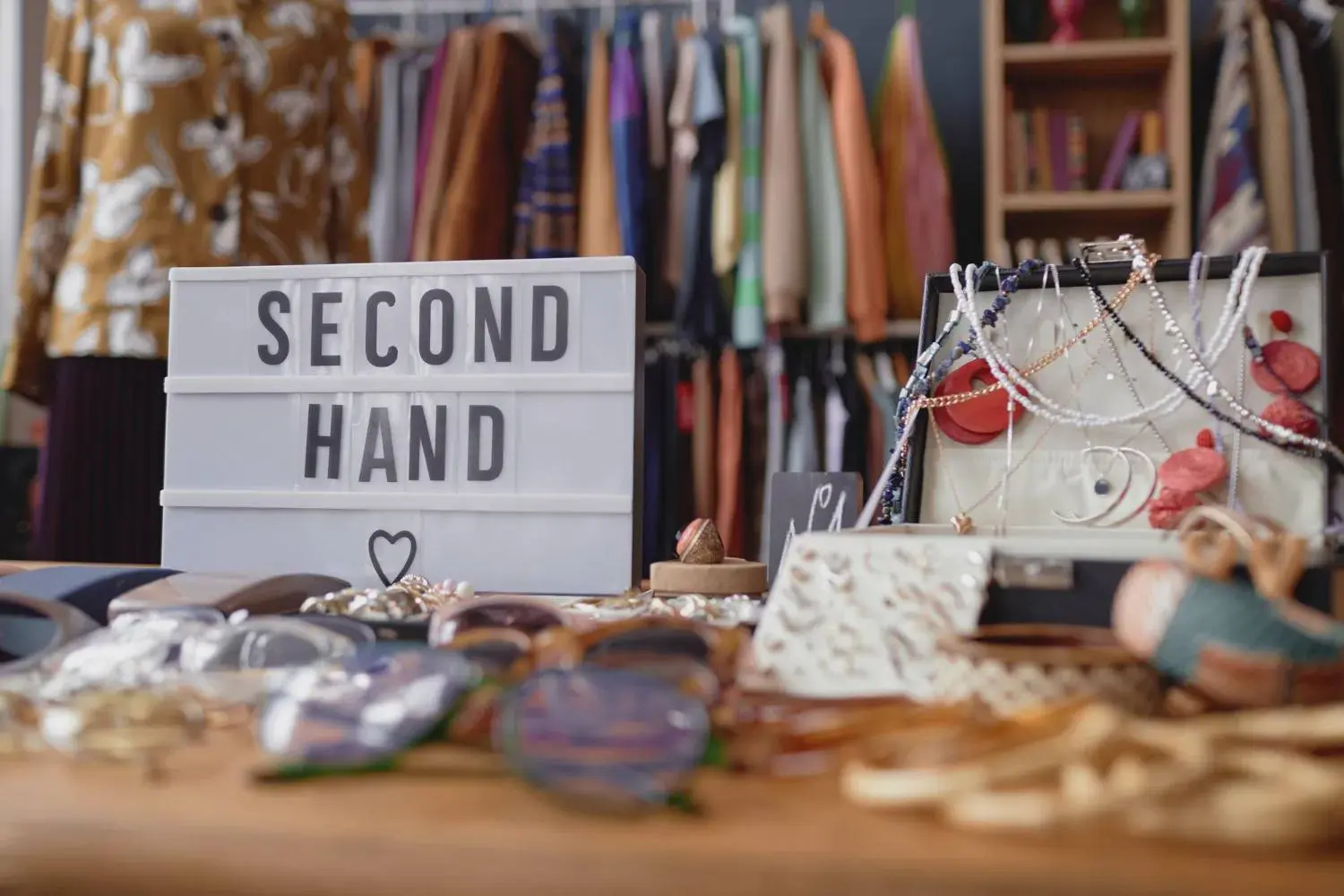
Pre-owned luxury fashion has escaped the stigma it once carried in Australia and has become a mainstream consumer behaviour, driven by a combination of value-seeking, environmental consciousness and the thrill of the hunt. The consignment stores of Double Bay and Armadale that once served a discreet, insider clientele have been joined by sophisticated online platforms that authenticate, photograph and ship a Chanel handbag or a Hermès silk scarf with the same service standards as a primary retailer. The market has expanded in both volume and demographic breadth. University students save for months to buy a pre-owned designer belt as their first entry into luxury, professionals rotate investment bags through resale to fund new purchases, and collectors hunt for discontinued colourways and limited editions that the primary market can no longer supply. Luxury is being reshaped by its own aftermarket.
Advertisement
The economics of the secondary market are attractive to both buyers and sellers. A well-maintained luxury handbag from a tier-one brand typically retains a high percentage of its retail value, and in some cases, particularly with certain Hermès, Chanel and limited-edition Louis Vuitton pieces, can appreciate significantly. This value retention reframes the purchase from pure expenditure to an asset that can be recouped, a mental shift that makes the upfront cost feel less extravagant. Sellers, for their part, find that consignment platforms offer a far more convenient and lucrative channel than the old model of trudging through a charity shop or listing on a general classifieds website with no authentication guarantees. The platform typically handles pricing, photography, buyer communication and payment, taking a commission in the range of fifteen to thirty per cent depending on the item’s value and the speed of sale.
Trust is the essential lubricant of the secondary luxury market and the platforms that have invested most heavily in authentication have built the strongest market positions. Professional authenticators trained in the specific stitching, hardware, date codes and material characteristics of each brand examine every item before it is listed. Some platforms offer a money-back guarantee if a third-party authentication service contradicts their assessment. The rise of increasingly sophisticated counterfeit goods, some of which can fool casual inspection, keeps the pressure on authentication teams to continually update their knowledge. Buyers are advised to stick to platforms with robust authentication processes and to avoid peer-to-peer social media sales where the protections are thin. The industry’s reputation hinges on the reliability of the verification, and a single high-profile authentication failure can erode trust across the entire sector.