
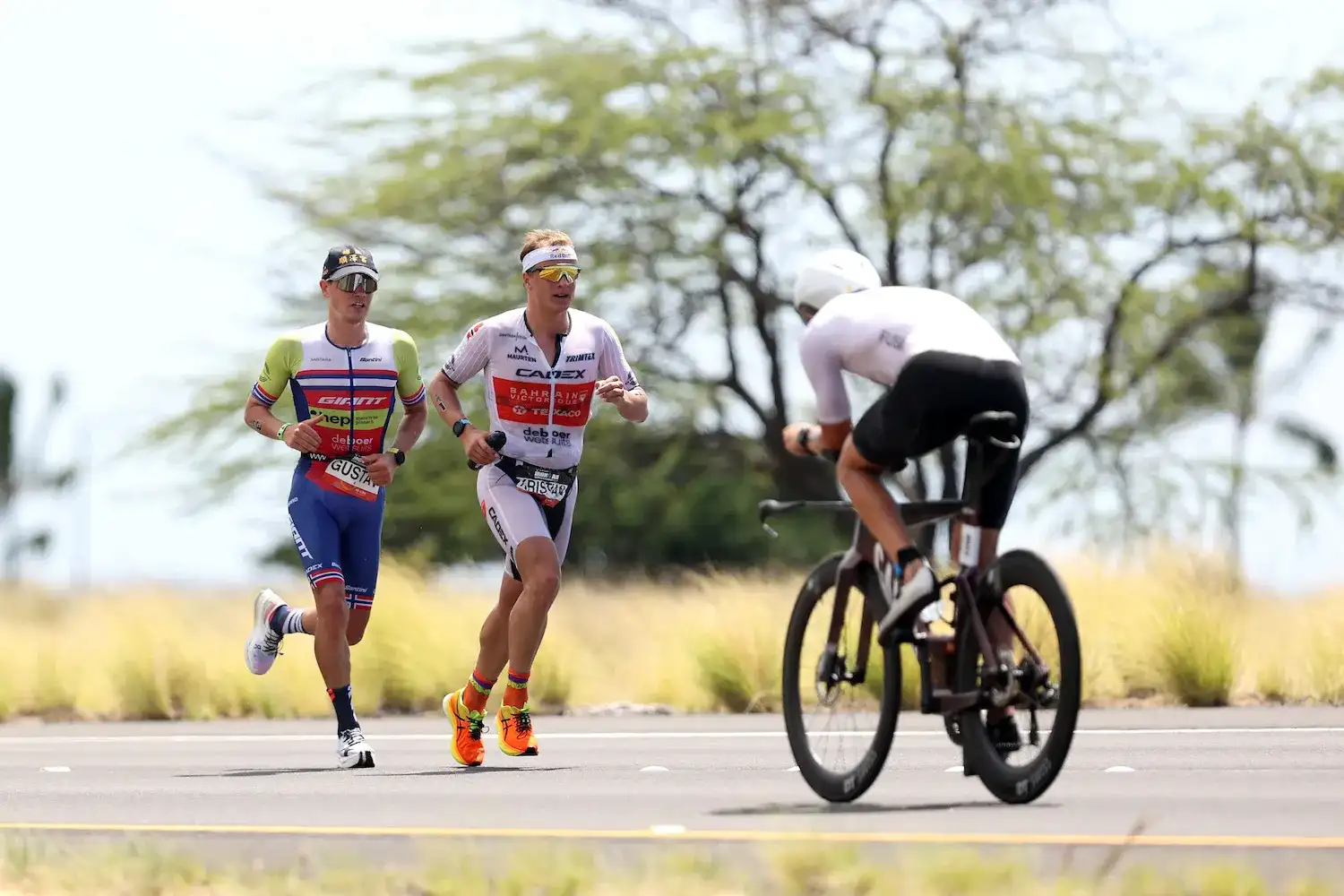
Endurance athletes across Australia are adapting their training practices in response to summers that are arriving earlier, lingering longer and delivering more frequent and intense heat events. The triathlon community, whose members train across three disciplines and often spend long hours exercising outdoors, has been at the forefront of developing and sharing strategies to manage the physiological and performance impacts of rising temperatures. Coaches, sports scientists and experienced age-group competitors are contributing to a body of practical knowledge that spans hydration protocols, heat acclimation schedules, session timing and the use of cooling aids such as ice vests and cold-water immersion. The adaptations are not a fad; they are a necessary evolution in a sport where training quality and race-day performance are intimately linked to the ability to manage thermal load.
Advertisement
Heat acclimation, the process of gradually exposing the body to exercise in hot conditions to induce physiological adaptations, is now a standard part of the pre-season preparation for serious triathletes targeting a race in a warm climate. The protocol typically involves seven to ten consecutive days of training in the heat, either outdoors during the hottest part of the day or indoors in a non-air-conditioned environment, with the intensity and duration of the sessions increasing progressively. The adaptations are measurable: increased plasma volume, a reduced heart rate at a given work output, an earlier onset of sweating and a more dilute sweat that conserves electrolytes. These changes improve thermoregulation and performance, but they take time to develop and decay within a few weeks of returning to a cooler environment, so the timing of the acclimation block needs to align with the goal race.
Hydration strategies for training and racing in the heat have become more individualised as the science has advanced. The old advice to drink to a schedule, consuming a set volume of fluid every fifteen or twenty minutes, has been supplemented by an approach that takes into account individual sweat rate, sweat sodium concentration and gut tolerance. Triathletes are increasingly using sweat testing, available through sports science labs and some coaching programmes, to determine how much sodium they lose per litre of sweat and to formulate a hydration plan that replaces fluids and electrolytes in proportions that match their personal physiology. The practical implication is that two athletes training side by side in the same conditions may need very different fluid and electrolyte intake strategies, and that blindly following a generic plan can lead to either dehydration or the potentially dangerous condition of exercise-associated hyponatraemia caused by overdrinking plain water.