The viability of energy-intensive manufacturing in Australia is being tested by electricity and gas prices that have become a persistent competitive disadvantage rather than a temporary spike. Food processors, metal fabricators, chemical plants and building materials manufacturers, many of them substantial regional employers, are making difficult decisions about curtailing production, postponing capital expenditure or, in some cases, shifting operations offshore. The energy price challenge has been years in the making, a product of ageing coal-fired generation retiring without sufficient dispatchable replacement capacity, transmission bottlenecks that prevent cheap renewable energy reaching demand centres, and exposure to volatile global gas markets on the east coast. While governments at both state and federal levels are advancing policies to address the structural deficiencies, the timeline for meaningful relief stretches out across years that many manufacturers do not feel they have.
The gas price issue is particularly acute for industries that use gas not just for heating but as a feedstock for chemical processes. Explosives manufacturers supplying the mining industry, fertiliser plants critical to agriculture, and glass and brick producers all require large volumes of gas at prices that allow them to compete globally. The east coast gas market, linking domestic consumers with liquefied natural gas export facilities in Queensland, operates under agreements that were intended to ensure adequate domestic supply at reasonable prices, but the practical outcome has been that local manufacturers pay prices that track the international spot market more closely than their energy cost structure can bear. The Australian Competition and Consumer Commission’s ongoing monitoring and periodic intervention in the market has provided some transparency but has not fundamentally reshaped the pricing dynamics.
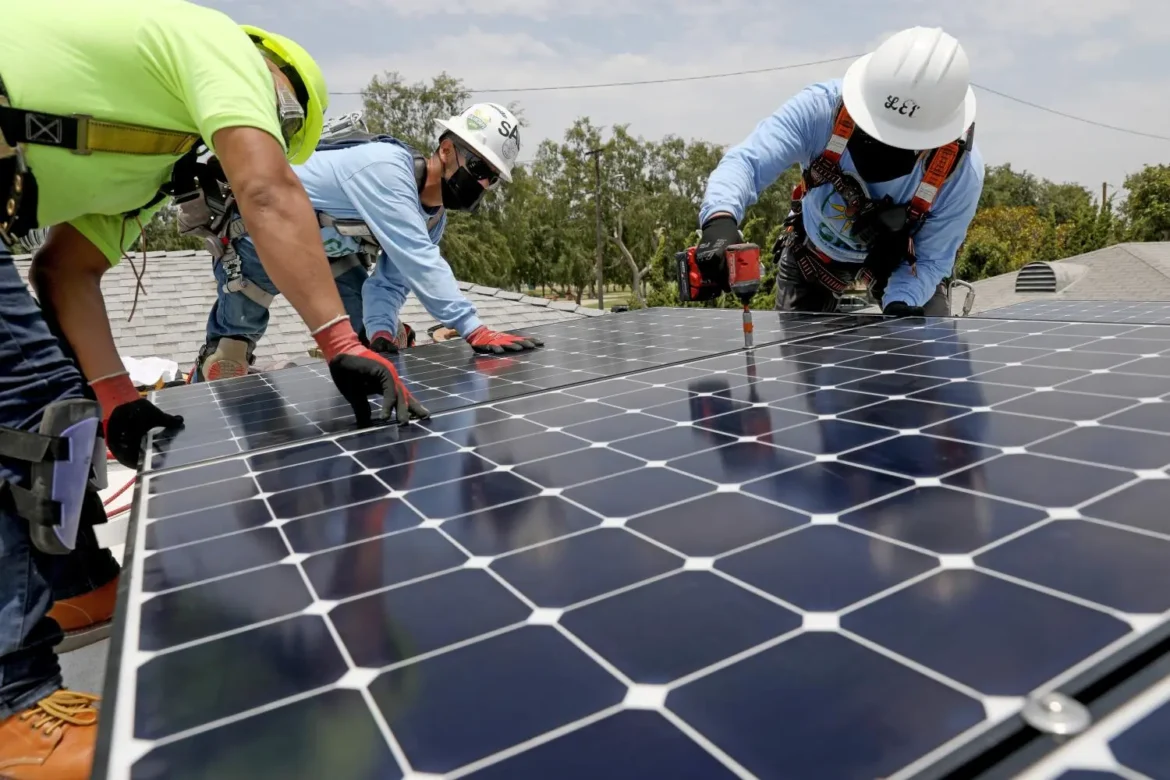
On the electricity side, manufacturers are grappling with both the absolute cost and the volatility of bills. A heatwave that pushes demand up and coincident generation outages can send wholesale spot prices to the market cap for hours at a time, a risk that businesses must manage either through fixed-price contracts that embed a significant risk premium or through demand response programmes that pay manufacturers to reduce load when the grid is under strain. Some larger industrial users have invested in on-site generation and battery storage, seeing the capital outlay as the only reliable hedge against an unpredictable market. A food processor in regional Victoria, for example, might install a combination of rooftop solar and a battery system sized to cover the peak of the day’s refrigeration load, with grid connection retained only for backup and for the night shift. These investments are rational for individual businesses but represent capital that could otherwise have been directed toward expanding production capacity or improving product quality.