
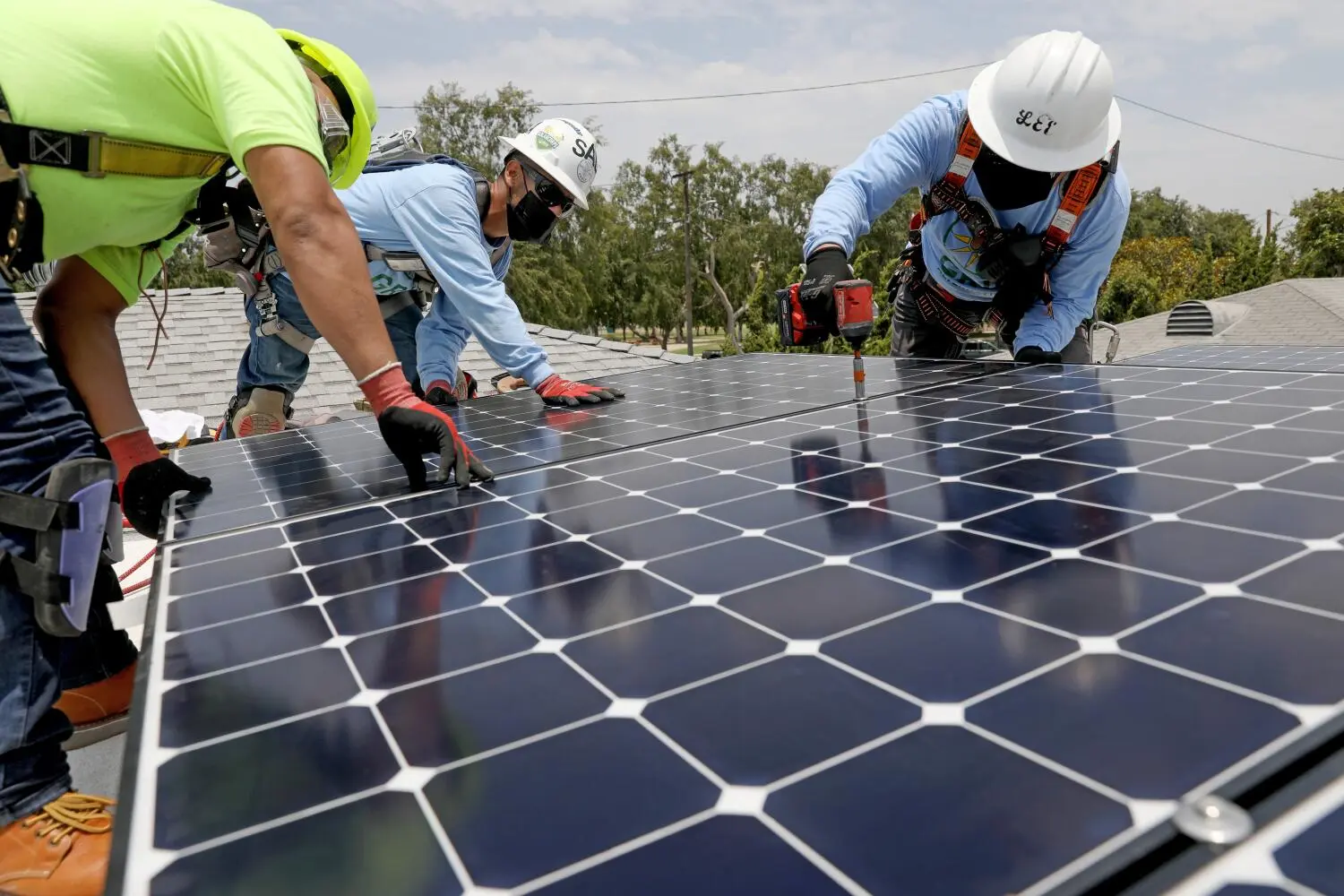
Australian households and businesses shopping for rooftop solar in the first half of 2026 have encountered an unfamiliar sight: prices that are heading up rather than down. After more than a decade of steep, technology-driven cost reductions that made Australia a world leader in solar uptake, the market has turned. The reasons are a tangle of global supply chain dynamics, raw material inflation and shifting trade policies that together have pushed the cost of photovoltaic modules higher. While solar remains a sound medium-term investment for most properties, the days of automatically assuming that waiting a year would deliver a meaningfully cheaper system appear to be on pause. Installers are fielding questions from confused customers who had budgeted based on price points quoted by friends who installed systems two years ago, only to find that today’s quotes reflect a new reality.
Advertisement
The primary driver of the price reversal lies upstream. Polysilicon, the high-purity silicon feedstock from which most solar wafers are made, experienced a period of oversupply and price depression that squeezed manufacturers and led to production cutbacks, only for demand to rebound faster than expected. Simultaneously, energy-intensive manufacturing stages concentrated in a handful of countries have been buffeted by rising electricity costs and tighter environmental regulations that increased production expenses. Add to this the freight cost volatility on major shipping routes, where geopolitical disruptions have periodically choked capacity and sent container rates spiking, and the landed cost of a solar panel in an Australian port has climbed noticeably. Wholesalers, many of whom had been operating on razor-thin margins, have passed the increases through the supply chain rather than absorbing them.
The impact on the residential market has been uneven. Households seeking premium, high-efficiency panels from tier-one manufacturers with long product warranties are seeing the largest dollar increases, though the cost per watt of these systems remains competitive in historical terms. Budget-conscious buyers, who might previously have opted for a lower-cost panel, are finding that the gap between mid-range and premium products has narrowed, making the decision calculus more complex. Solar retailers report that the average system size being quoted has dipped slightly, as some customers choose to install a smaller array rather than blow their budget. Others are pairing solar with battery storage in a single project to lock in a total energy solution, reasoning that financing the combined system may offer better value than adding a battery later at unknown future prices.