Home Author
Author

Josephine Brooks

Advertisement

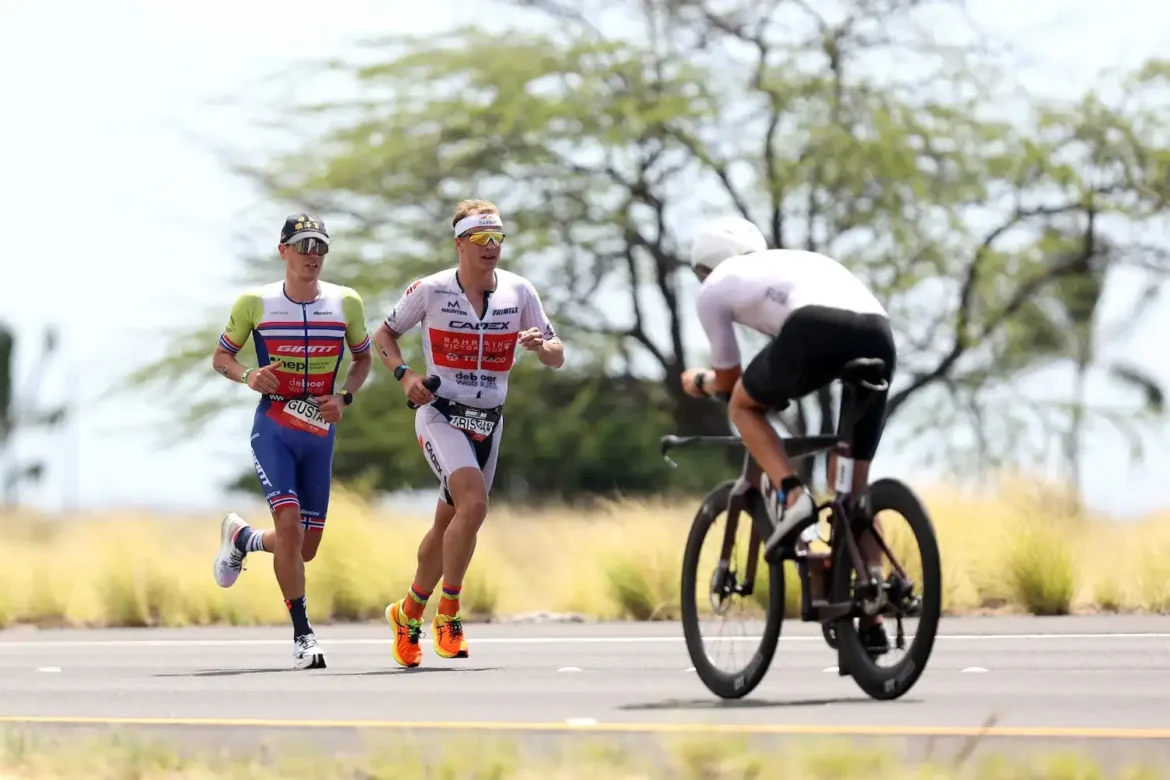
Endurance athletes across Australia are adapting their training practices in response to summers that are arriving earlier, lingering longer and delivering more frequent and intense heat events. The triathlon community, whose members train across three disciplines and often spend long hours exercising outdoors, has been at the forefront of developing and sharing strategies to manage the physiological and performance impacts of rising temperatures. Coaches, sports scientists and experienced age-group competitors are contributing to a body of practical knowledge that spans hydration protocols, heat acclimation schedules, session timing and the use of cooling aids such as ice vests and cold-water immersion. The adaptations are not a fad; they are a necessary evolution in a sport where training quality and race-day performance are intimately linked to the ability to manage thermal load.

Heat acclimation, the process of gradually exposing the body to exercise in hot conditions to induce physiological adaptations, is now a standard part of the pre-season preparation for serious triathletes targeting a race in a warm climate. The protocol typically involves seven to ten consecutive days of training in the heat, either outdoors during the hottest part of the day or indoors in a non-air-conditioned environment, with the intensity and duration of the sessions increasing progressively. The adaptations are measurable: increased plasma volume, a reduced heart rate at a given work output, an earlier onset of sweating and a more dilute sweat that conserves electrolytes. These changes improve thermoregulation and performance, but they take time to develop and decay within a few weeks of returning to a cooler environment, so the timing of the acclimation block needs to align with the goal race.

Hydration strategies for training and racing in the heat have become more individualised as the science has advanced. The old advice to drink to a schedule, consuming a set volume of fluid every fifteen or twenty minutes, has been supplemented by an approach that takes into account individual sweat rate, sweat sodium concentration and gut tolerance. Triathletes are increasingly using sweat testing, available through sports science labs and some coaching programmes, to determine how much sodium they lose per litre of sweat and to formulate a hydration plan that replaces fluids and electrolytes in proportions that match their personal physiology. The practical implication is that two athletes training side by side in the same conditions may need very different fluid and electrolyte intake strategies, and that blindly following a generic plan can lead to either dehydration or the potentially dangerous condition of exercise-associated hyponatraemia caused by overdrinking plain water.
Pages: 1 2

Advertisement

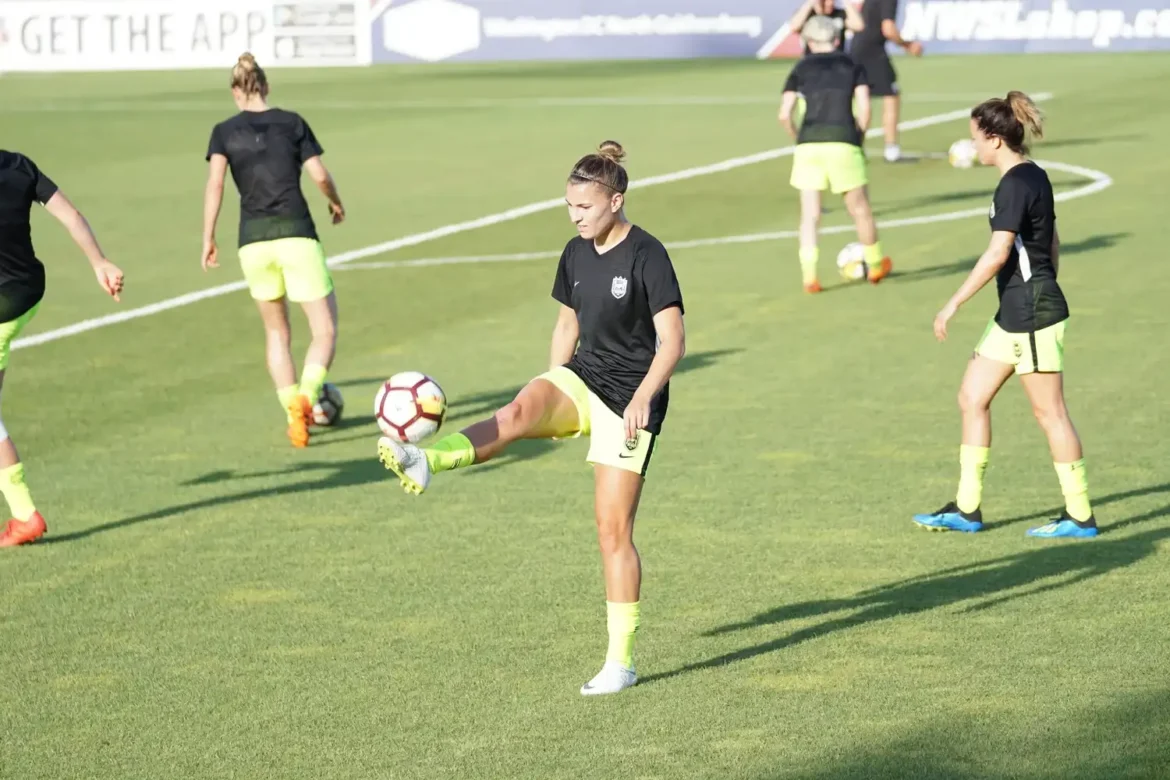
The number of women and girls playing organised football in Australia has continued its steep upward climb, with registration figures for the current season showing double-digit percentage growth across soccer, Australian rules football, rugby league and rugby union. The surge is not a sudden spike but the latest data point in a trend that has been building for more than a decade, driven by the visibility of elite female leagues, improved pathways and facilities, and a cultural shift that has made it unremarkable for a girl to pull on boots and run onto a pitch. The growth is broad-based, occurring across metropolitan, regional and remote areas, and it is beginning to strain the infrastructure of clubs that are scrambling to find enough grounds, changerooms, coaches and referees to accommodate the demand.

Soccer remains the largest and most geographically diverse code for female participation, with Football Australia’s legacy programmes and the success of the Matildas creating a pipeline that now sees girls lacing up in suburbs and towns where the round-ball game was once a male domain. The introduction of the A-League Women’s competition as a full home-and-away season has provided a visible local pathway, allowing young players to see a career arc that was previously accessible only to the few who could secure an overseas contract. Club presidents in the community leagues report that girls-only teams are forming at younger ages, that retention through the teenage years is improving, and that the demand for all-female MiniRoos programmes for the under-six and under-seven age groups exceeds the capacity to deliver them. The limiting factor is not interest but the availability of volunteers, fields and female coaches.

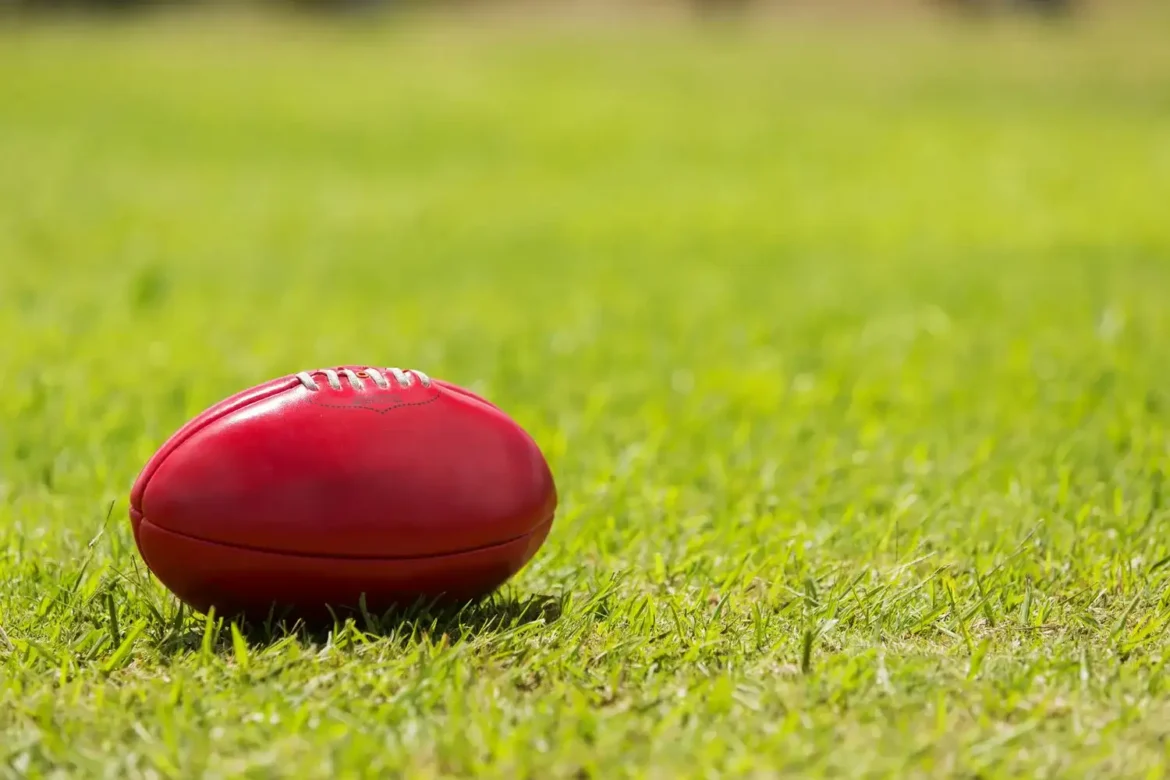
Australian rules football has experienced some of the sharpest growth rates, driven by the AFL Women’s competition and by deliberate investment from the league in community football development officers dedicated to female participation. The sight of a suburban Auskick centre with an even mix of boys and girls, unremarkable now but almost unheard-of a generation ago, is the most visible evidence of the shift. The challenge for the code is converting that early participation into ongoing involvement through the teenage years, a period when many girls drop out of sport. The league is trialling flexible competition formats, including nine-a-side and social-competitive options, that acknowledge not every participant wants to play in the full-contact, eighteen-a-side format on a full-sized ground. The early feedback is that offering a spectrum of formats, from social to elite, keeps more players in the game.

Pages: 1 2

Advertisement

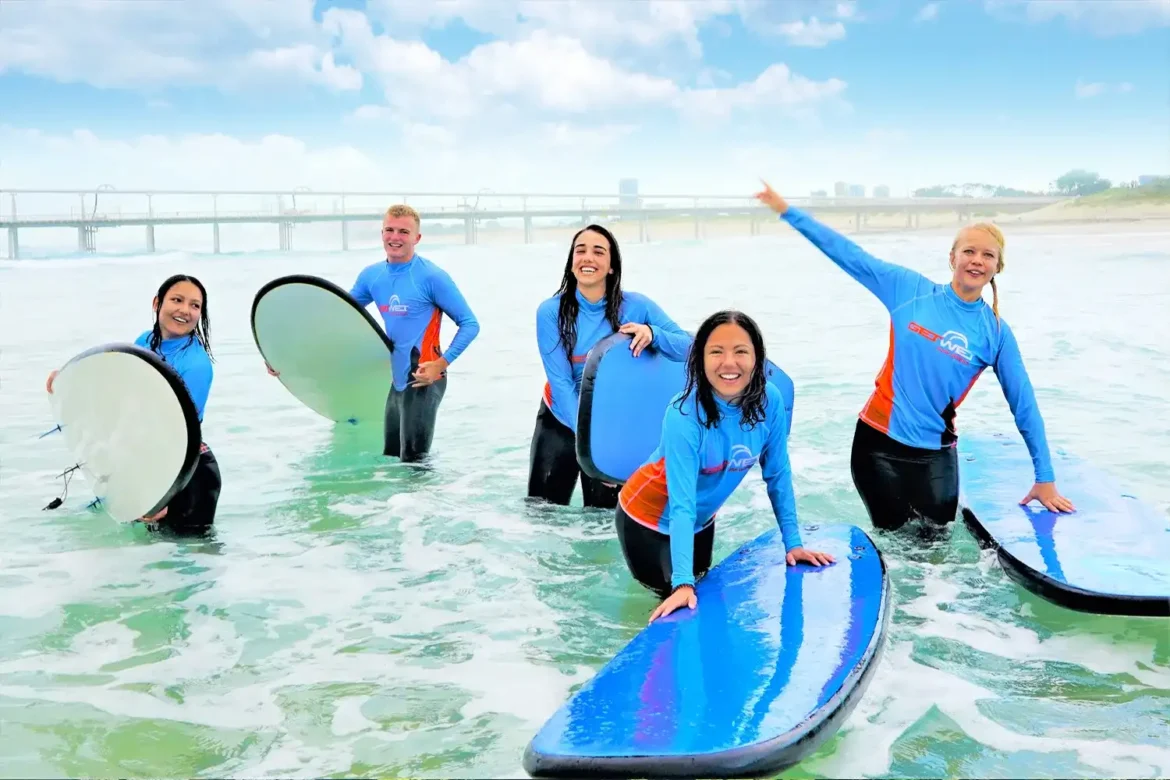
Australian surf lifesaving organisations and state governments have expanded their water safety campaigns in response to a concerning uptick in coastal drownings and serious incidents involving both swimmers and surfers. The campaigns, which now run year-round rather than being concentrated in the summer months, combine traditional beach safety messaging with targeted outreach to specific demographic groups that have been overrepresented in incident data. The expansion reflects a data-driven approach to drowning prevention, with resources directed toward the locations, times and activities where risk is highest. The core messages, swim between the flags, wear a leash, know your limits and do not surf alone, are being reinforced with more nuanced education about reading surf conditions, understanding rip currents and managing the specific risks associated with different types of surfcraft.

The data that is driving the expanded campaigns tells an uncomfortable story. Drownings and serious incidents involving boardriders have increased in several states, with the majority occurring at unpatrolled beaches, outside of standard patrol hours, or involving individuals who were surfing alone. The demographic most at risk, according to the coronial inquests and surf lifesaving reports, is adult men aged between thirty and sixty who are often experienced in the water but may be carrying underlying health conditions, overestimating their fitness or making poor decisions about when and where to paddle out. The campaigns are therefore moving beyond the junior nippers and teenagers who have traditionally been the focus of surf education and are speaking directly to middle-aged men, a cohort that is not always receptive to safety messaging delivered in a didactic tone.

The messaging approach has been refined to be direct without being condescending, using voices that the target audience will trust. Former professional surfers, local boardriders club presidents and surf shop owners have been recruited as ambassadors, appearing in short video segments that talk honestly about their own experiences of being caught inside, pulled out to sea or witnessing a mate get into trouble. The tone is peer-to-peer rather than authority-to-subordinate, emphasising that knowing when not to paddle out is a mark of experience rather than a lack of courage. The campaigns also encourage surfers to complete a free online course in basic ocean rescue and cardiopulmonary resuscitation, with the practical message that the person most likely to be first on the scene when a surfer gets into trouble is another surfer.

Pages: 1 2

Advertisement

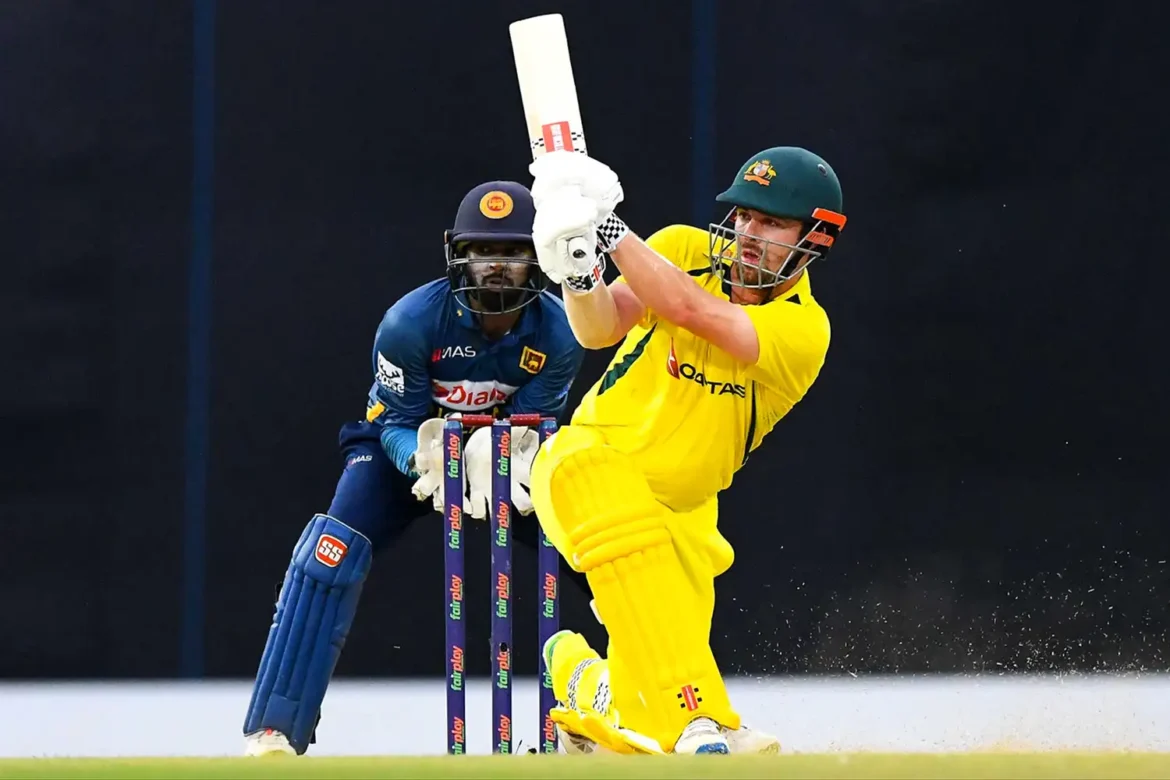
Cricket Australia has committed to a significant increase in grassroots funding, channelling a larger slice of the game’s revenue into suburban and regional clubs, junior programmes and facility upgrades. The investment, announced as part of the governing body’s five-year strategic plan, reflects a recognition that the health of the elite game, from the Big Bash League to the Test arena, depends entirely on the vigour of the community clubs where almost every professional cricketer first picks up a bat. The funding package targets four key areas: improving the quality and accessibility of training and match-day facilities, particularly for female participants; expanding entry-level participation programmes in schools and among multicultural communities; strengthening the volunteer and coaching workforce; and reducing the cost barriers that prevent some families from enrolling their children in organised cricket.

Facility upgrades form the most visible and capital-intensive component of the plan. Many local cricket grounds across the country have changerooms that were built in an era when female participation in the sport was negligible, forcing girls and women to change in cars, public toilets or to arrive at training already dressed and hope they do not need to use a bathroom. The funding will accelerate the construction of unisex or female-friendly changeroom facilities, with a target of having every premier-grade and community club meet a minimum amenity standard within a decade. Practice net upgrades are also prioritised, with a shift toward multi-lane, all-weather synthetic and hybrid surfaces that allow training to continue in wet weather and reduce the volunteer labour burden of preparing turf wickets. The rolling programme will be delivered in partnership with local councils and state cricket associations, leveraging co-funding to maximise the number of sites that can be upgraded each year.

Junior participation programmes are being redesigned to place a greater emphasis on fun, skill development and inclusion, moving away from the win-at-all-costs culture that has historically driven some children out of the game. The Woolworths Cricket Blast programme, the sport’s main junior entry point, will be expanded to reach more primary schools in low-socioeconomic areas, with the equipment and coaching costs subsidised to remove financial barriers. The age-appropriate formats, which use shorter pitches, softer balls and smaller team sizes, have been shown in internal evaluations to improve skill acquisition and enjoyment relative to the traditional eleven-a-side hard-ball game introduced too early, and the new funding will support the development of a clear pathway that allows children to progress through the formats at a pace that matches their physical and emotional readiness.

Pages: 1 2

Advertisement

The 2026 AFL draft class is generating unusual levels of excitement among recruiters, with a deep pool of midfield talent and several key-position players who have already demonstrated attributes that suggest they can impact senior football early in their careers. The under-18 national championships provided a showcase that allowed the teenagers earmarked for the top end of the draft to separate themselves from their peers, and the state league competitions in Victoria, South Australia and Western Australia have provided further evidence of how these prospects handle the physicality and speed of senior football. While the draft order is still to be determined by the end-of-season ladder and any potential trades, the consensus among club recruiting teams is that the first round contains genuine quality and that the depth extends well into the second and third rounds, making this a draft where having multiple early selections is a significant advantage.

The standout prospect at the top of most clubs’ draft boards is a tall, explosive midfielder from the Bendigo Pioneers program who has drawn comparisons to Marcus Bontempelli for his combination of size, agility and decision-making in congestion. He stands at one hundred and ninety-four centimetres, covers the ground with a long, loping stride that eats up metres, and possesses the rare ability to win the ball at the coalface and then distribute it cleanly by hand or foot to a teammate in a better position. His performances at the national championships included a star-making thirty-two-disposal, two-goal game against Western Australia that featured a third-quarter burst of five clearances in ten minutes, the kind of dominant stretch that recruiters note down and underline. The club that holds the number one pick will almost certainly call his name, barring a late injury or an unforeseen trade offer that is too compelling to refuse.

Behind the consensus top selection, the order becomes less certain and more dependent on specific club needs. A key forward from the Oakleigh Chargers, powerfully built with a strong contested-marking technique and natural goal sense, is the leading tall prospect and is expected to be taken within the first five picks. He lacks the running capacity that modern key forwards are expected to develop, a point that his critics raise, but his ability to hold his ground in one-on-one marking contests and convert from difficult positions is a skill that cannot easily be taught. Another top-five candidate is a rebounding defender from South Australia whose kicking efficiency and composure under pressure have drawn comparisons to retired champion Corey Enright. He reads the play early, intercepts marking attempts aimed at taller opponents, and uses the ball with a low, penetrating trajectory that breaks defensive lines.

Pages: 1 2

Advertisement

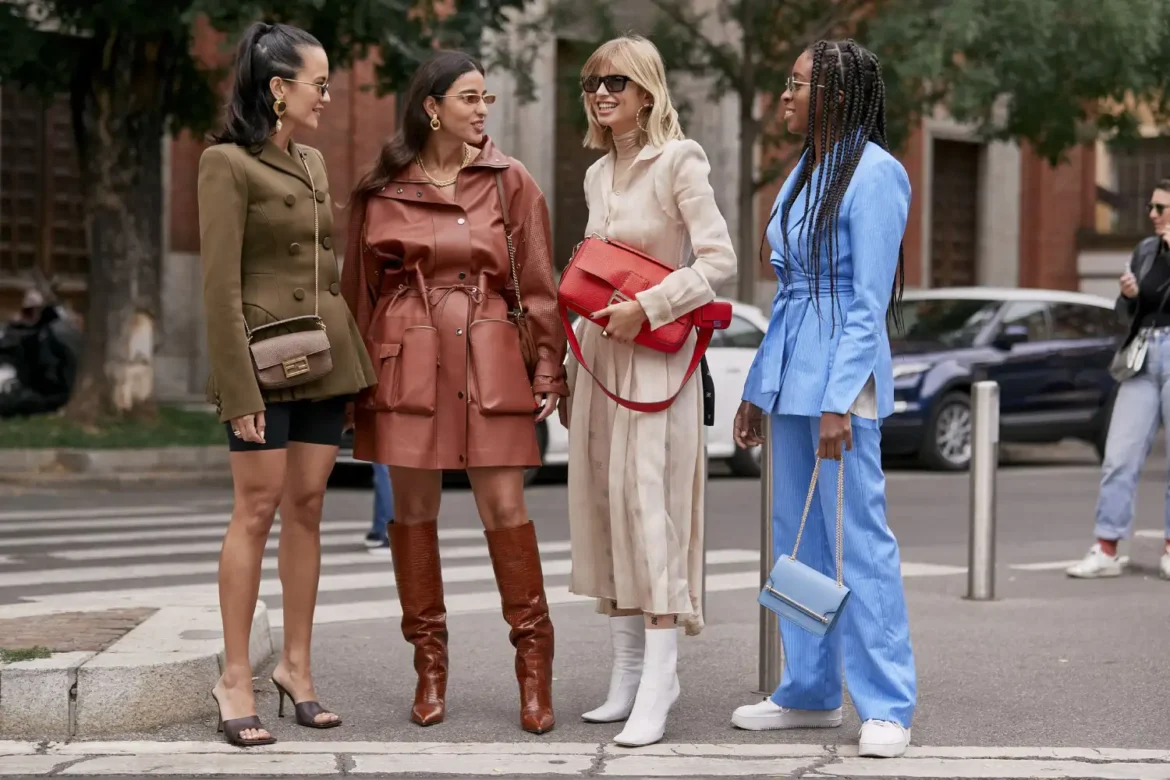
The colour forecasts that emerge from Milan’s fashion presentations twice a year travel fast and land differently in the Australian context, where the palette is filtered through a brighter, harsher light and a lifestyle that privileges ease. The palettes for the current season, as interpreted by Australian designers and retailers, lean into a set of saturated, grounded tones that feel simultaneously fresh and wearable. Deep aubergine, burnt ochre, a chalky periwinkle blue and an olive that skews almost golden are appearing across womenswear and menswear collections in Sydney, Melbourne and Brisbane. The influence from Milan is discernible in the specific colour choices, but the application is distinctly local, relaxed and unpretentious, suited to a climate where winter is mild and summer demands fabrics that breathe and colours that do not absorb heat punishment.

The aubergine and plum family has been one of the strongest carryovers from the Milan runways, and Australian brands have embraced it with particular enthusiasm for knitwear and evening separates. The colour sits between the formality of black and the playfulness of jewel tones, offering a sophisticated alternative to navy that works across a range of skin tones. A merino turtleneck in a deep aubergine anchors a winter outfit without defaulting to black, and the colour pairs especially well with mid-wash tailored denim and dark brown accessories. In womenswear, aubergine has appeared in bias-cut satin skirts and draped jersey dresses that translate the colour’s depth into movement and fluidity. The shade avoids the preciousness of purple while offering more personality than the neutral-heavy palettes that had dominated previous seasons.

Burnt ochre and rust tones have emerged as the earthy counterpoint to the cooler aubergines and blues. These colours reference the Australian landscape without being literal about it; a burnt ochre linen shirt or a rust-coloured wide-leg trouser reads as a considered colour choice first and an evocation of the outback second. The shade has been adopted across categories, from cotton shirting to heavy-gauge knitwear and even accessories such as leather totes and silk scarves. It pairs naturally with cream, ecru and off-white, a combination that has become the default warm-weather palette for those who find stark white too clinical and beige too bland. Designers credit the Milanese use of oxidised reds and terracottas as the trigger for the exploration, but the local execution has discarded the heavy accessorising of the Italian references in favour of a cleaner, more minimal styling that suits the Australian eye.

Pages: 1 2

Advertisement

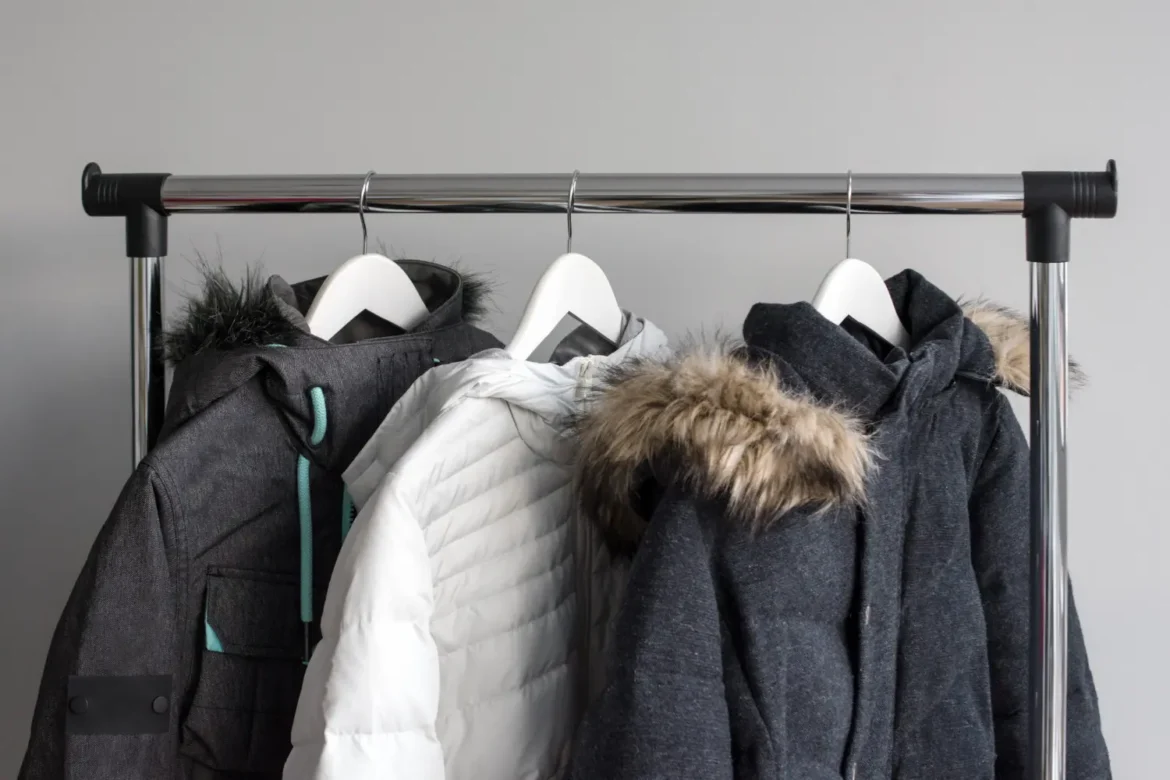
The challenge of dressing for an Australian winter office has always been managing the oscillation between frigid air-conditioned interiors and the mild, sun-warmed outdoor temperatures that characterise the season in much of the country. Layering is the logical solution, but executing it with polish requires more than throwing a shapeless cardigan over a shirt. A considered winter layering system for the workplace balances thermal comfort with visual proportions, texture and colour, allowing the wearer to adjust throughout the day without losing a sense of cohesion. The best versions read as a single, intentional outfit rather than an accumulation of garments added in desperation, and they draw on a quiet tradition of tailoring and knitwear that respects the formality of the environment without being stiff.

The foundation layer matters in ways that are invisible to colleagues but critical to comfort. A fine-gauge merino wool or merino-silk blend worn next to the skin manages moisture, regulates temperature and eliminates the clammy feeling that synthetics can trap. Long-sleeved crew-neck or turtleneck styles in charcoal, navy or heather grey sit flat under a shirt without adding bulk, and they mean the outer layers are doing their aesthetic job without having to compensate for thermal inadequacy. The merino wardrobe staple is an Australian strength, given the country’s position as a leading producer of fine wool, and local brands have turned it into a refined category with cuts that are slim and lengths that tuck cleanly. The base layer sets the thermal tone; everything above it can then focus on proportion and style.

The shirt remains the central visual element for many office environments, and winter calls for fabrics with more body and texture than the poplin of summer. Brushed cotton, oxford cloth and lightweight flannel add visual warmth and hold their shape under a knit or a jacket. A button-down collar in a tattersall check or a subtle stripe provides a defined structure at the neck that anchors the layers above it. The shirt can be worn with the top button undone over the merino base layer, creating a casual framing that suits workplaces that have relaxed their ties, or buttoned up for a more traditional appearance. The colour palette in winter tends to deepen, with burgundy replacements for pink, forest green for pale blue, and the reliable white and light blue shirts kept in rotation for the days when the knit or jacket is providing all the colour interest.

Pages: 1 2

Advertisement

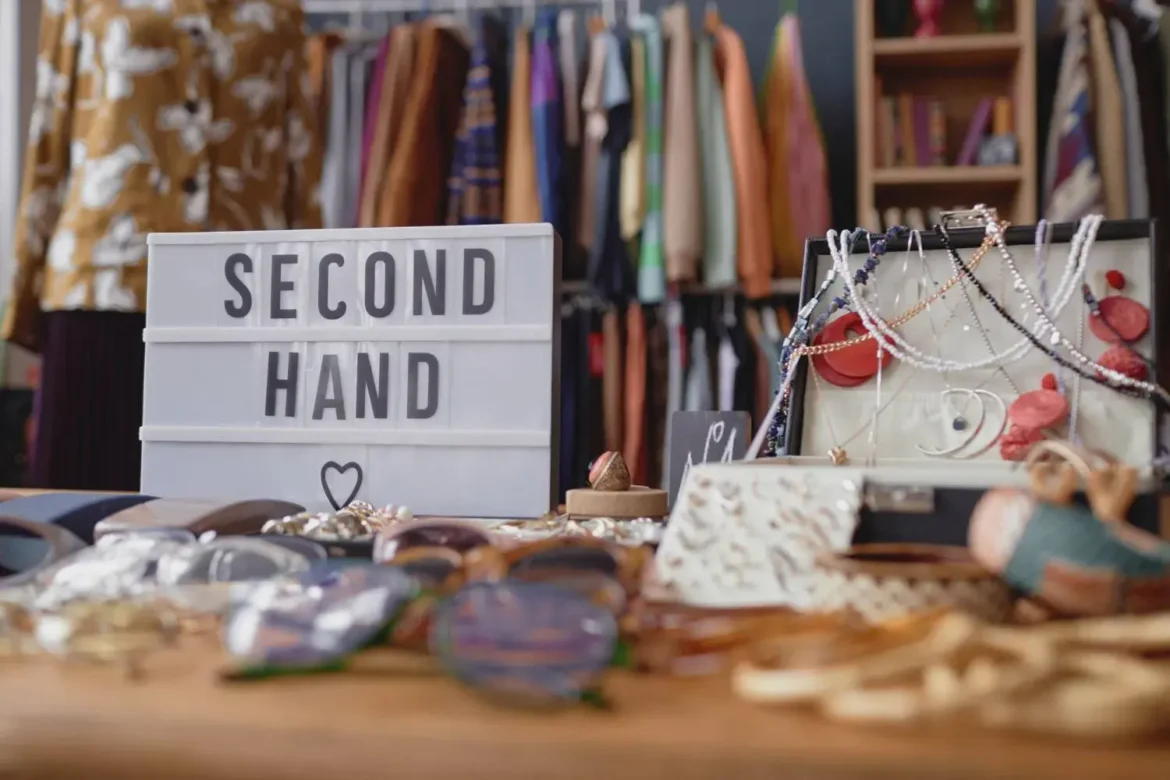
Pre-owned luxury fashion has escaped the stigma it once carried in Australia and has become a mainstream consumer behaviour, driven by a combination of value-seeking, environmental consciousness and the thrill of the hunt. The consignment stores of Double Bay and Armadale that once served a discreet, insider clientele have been joined by sophisticated online platforms that authenticate, photograph and ship a Chanel handbag or a Hermès silk scarf with the same service standards as a primary retailer. The market has expanded in both volume and demographic breadth. University students save for months to buy a pre-owned designer belt as their first entry into luxury, professionals rotate investment bags through resale to fund new purchases, and collectors hunt for discontinued colourways and limited editions that the primary market can no longer supply. Luxury is being reshaped by its own aftermarket.

The economics of the secondary market are attractive to both buyers and sellers. A well-maintained luxury handbag from a tier-one brand typically retains a high percentage of its retail value, and in some cases, particularly with certain Hermès, Chanel and limited-edition Louis Vuitton pieces, can appreciate significantly. This value retention reframes the purchase from pure expenditure to an asset that can be recouped, a mental shift that makes the upfront cost feel less extravagant. Sellers, for their part, find that consignment platforms offer a far more convenient and lucrative channel than the old model of trudging through a charity shop or listing on a general classifieds website with no authentication guarantees. The platform typically handles pricing, photography, buyer communication and payment, taking a commission in the range of fifteen to thirty per cent depending on the item’s value and the speed of sale.

Trust is the essential lubricant of the secondary luxury market and the platforms that have invested most heavily in authentication have built the strongest market positions. Professional authenticators trained in the specific stitching, hardware, date codes and material characteristics of each brand examine every item before it is listed. Some platforms offer a money-back guarantee if a third-party authentication service contradicts their assessment. The rise of increasingly sophisticated counterfeit goods, some of which can fool casual inspection, keeps the pressure on authentication teams to continually update their knowledge. Buyers are advised to stick to platforms with robust authentication processes and to avoid peer-to-peer social media sales where the protections are thin. The industry’s reputation hinges on the reliability of the verification, and a single high-profile authentication failure can erode trust across the entire sector.

Pages: 1 2

Advertisement

A particular silhouette has reappeared on the streets of Australia’s capital cities and it marks a departure from the skinny and stretch-dominated decade that preceded it. Jeans are getting wider through the leg, sitting higher on the waist, and incorporating structured tailoring details such as centre creases, welt pockets and topstitching that traces clean architectural lines. This is not a simple rerun of the relaxed fits of the 1990s or the bootcut era. The current tailored denim trend blends the casual durability of workwear fabric with the proportions and finish of dress trousers, creating a garment that can read as polished in one context and effortlessly relaxed in another. Men’s boutiques in Paddington and Fitzroy report that the style is crossing demographic boundaries, appealing to customers in their twenties seeking a break from spray-on jeans and to older men who remember when denim had structure and substance.

The cut of these jeans drives the aesthetic. A higher rise, often reaching the natural waist, alters the entire body proportion, elongating the leg and allowing a drape that falls cleanly from the hip rather than gripping the thigh. The leg opening is generous, sometimes a full eighteen to twenty-two centimetres on a half measurement, wide enough to skim over a leather boot or a chunky sneaker but not so exaggerated as to trip into costume. The front crease, pressed in like a dress trouser and often stitched permanently to survive washing, is the detail that most clearly signals the tailoring influence. It adds verticality and sharpness, a visual line that says intentionality. Paired with a simple white T-shirt and a clean leather trainer, the jean works as effortlessly as it does with a knitted polo and a loafer for a smart-casual office that has left the suit behind but still values a sense of polish.

Fabric selection distinguishes the good versions from the generic. Selvedge denim, woven on narrow shuttle looms that produce a clean, self-finished edge, is favoured by the heritage-oriented brands and the Japanese makers that have influenced Australian boutique labels. The heavier weight of selvedge denim, often thirteen to sixteen ounces, holds a crease far better than stretch-infused lighter weaves and develops a personal fade pattern over months and years of wear. The absence of elastane means the jean must be shaped by cut alone rather than by clinging, which places the onus on the pattern maker to get the hip, rise and leg proportions exactly right. Some Australian brands are now offering made-to-measure denim programmes using selvedge cloth, a service that sits at the intersection of tailoring tradition and casual wardrobe, appealing to men who have learned what fits them and are unwilling to compromise.

Pages: 1 2

Advertisement

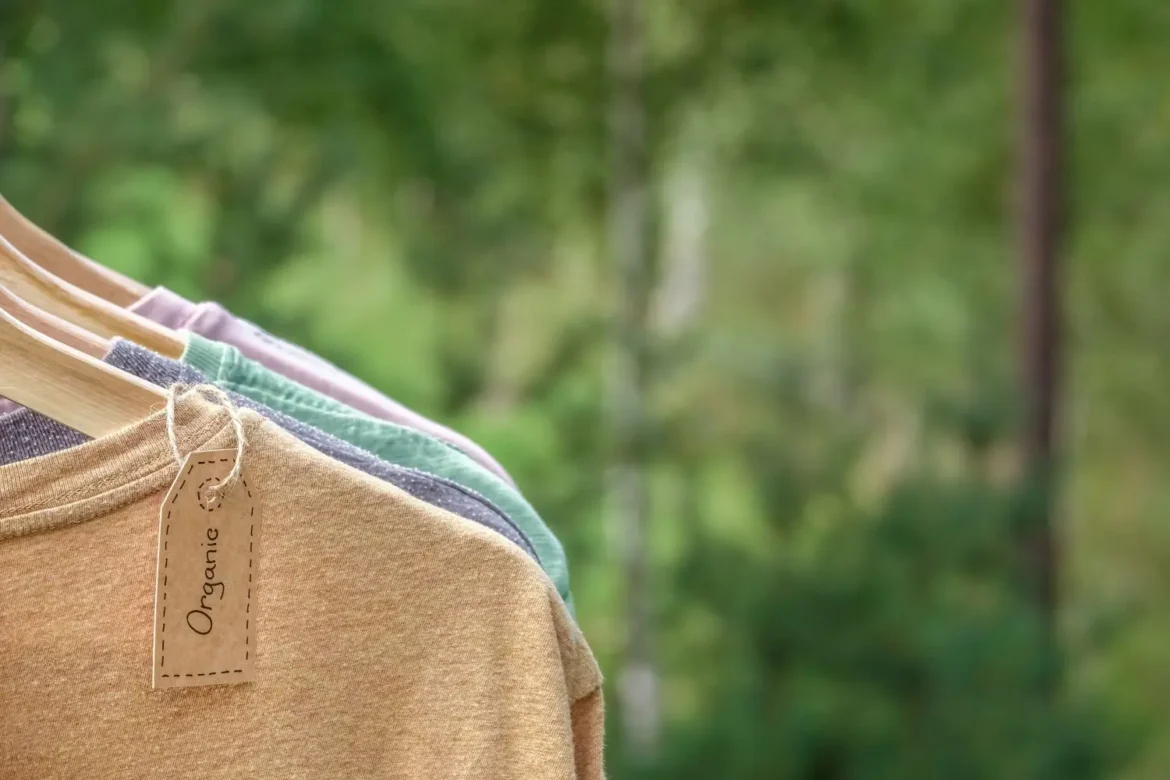
Australian fashion weeks in Sydney and Melbourne have undergone a visible shift. The shimmer of polyester and the heavy drape of conventional cotton are sharing the spotlight with fabrics that tell a different story about their origins. Designers are sending models down the catwalk in garments made from hemp blends, organic linen, peace silk, and regenerated fibres spun from post-consumer textile waste. The change is not merely aesthetic; it reflects a supply chain transformation that has been quietly building for years, driven by consumer demand for transparency, by the increasing availability of certified sustainable textiles at commercially viable prices, and by an industry that has realised its social licence depends on demonstrable progress rather than marketing rhetoric. The narrative around Australian fashion is shifting from a conversation about trends to a conversation about materials, and the material story is becoming markedly more interesting.

Hemp is experiencing a revival that draws on Australia’s agricultural heritage while looking firmly forward. The plant grows quickly with relatively low water requirements, needs minimal synthetic inputs, and produces a bast fibre that is strong, breathable and becomes softer with each wash. Australian-grown hemp, processed at facilities in Tasmania and Victoria, is finding its way into everyday wardrobes via tailored blazers, relaxed shirting and durable denim alternatives. The texture is different from conventional cotton, slightly slubbed and earthy, a quality that designers are embracing rather than trying to hide. Brands that have been early adopters report that customers respond to the tactile difference, describing the fabric’s handfeel as grounding and substantial. The premium that hemp once commanded is narrowing as processing scales up, and the farm-to-garment traceability that the crop enables fits snugly with a market that increasingly expects to know where its clothes were grown.

Regenerated and recycled fibre technologies are turning the linear take-make-waste model of fashion into a loop. Australian companies are exploring chemical recycling processes that break down blended fabrics, notoriously difficult to recycle mechanically, into their constituent polymers for re-spinning into new yarn. The economics of textile recycling remain challenging, dependent on steady feedstock collection, sorting infrastructure and sufficient scale, but the innovation pipeline is active. On a more established footing, mechanically recycled cotton and wool are being blended with virgin fibres to create yarns that perform well while reducing the land, water and energy footprint of the garment. A Melbourne label might now produce a knitwear collection from a blend of recycled merino wool and organic cotton, with a swing tag that specifies the percentage of reclaimed fibre and the energy saved compared to virgin material. These garments are no longer a niche sustainability capsule; they are being integrated into mainline collections and sold at price points that compete with conventional alternatives.

Pages: 1 2

Advertisement

Newer Posts

Disclaimer

The information published on this blog is intended for general informational purposes only. Content may be updated or changed without notice, and we do not guarantee the accuracy or completeness of any information provided. External links and third-party content are the responsibility of their respective owners.

Contact information

Luminous Wheels Pty Ltd
24 N Liverpool Rd, Heckenberg NSW 2168, Australia
+61296104268
[email protected]

© 2026 All rights reserved | luminous-wheels.com