
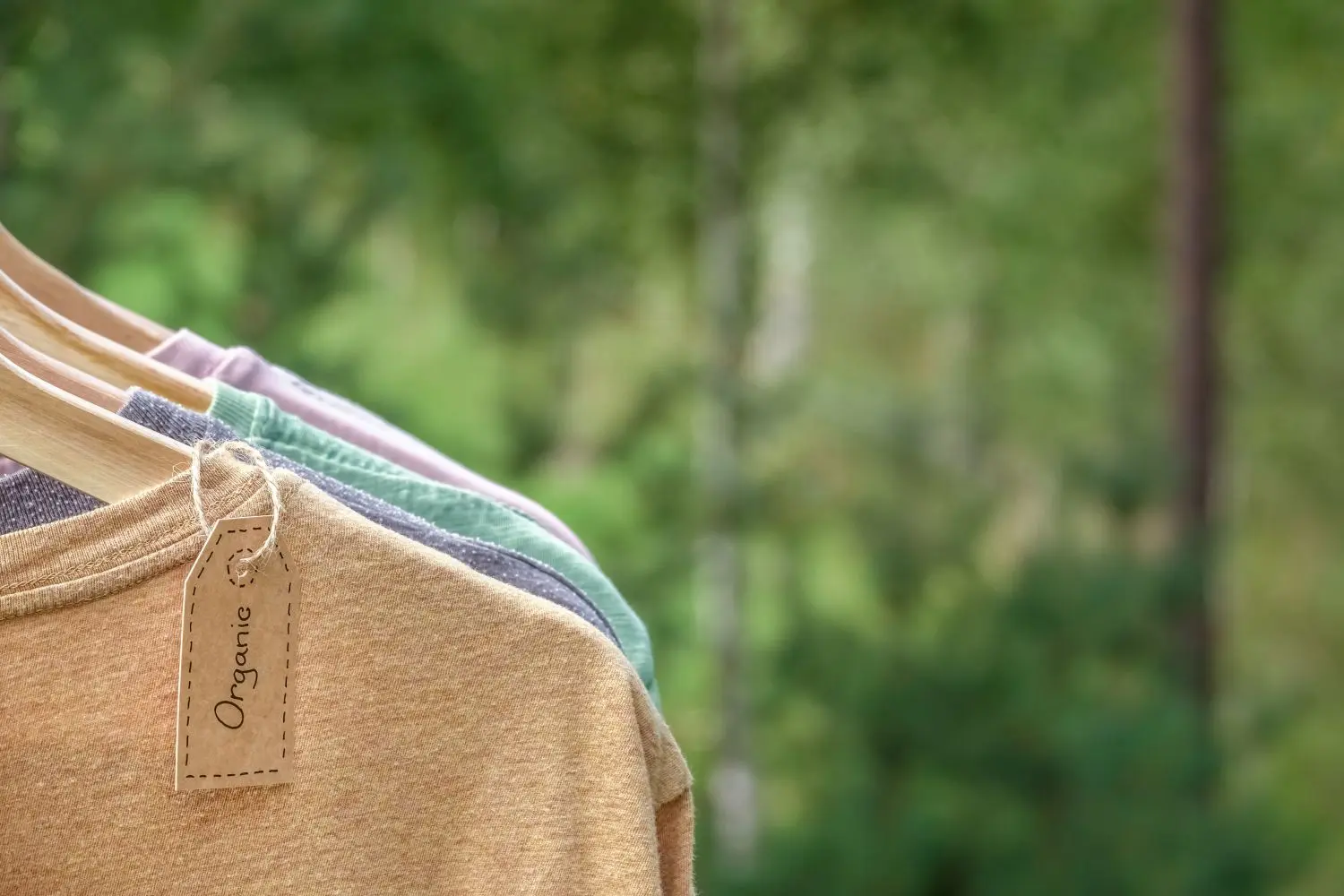
Australian fashion weeks in Sydney and Melbourne have undergone a visible shift. The shimmer of polyester and the heavy drape of conventional cotton are sharing the spotlight with fabrics that tell a different story about their origins. Designers are sending models down the catwalk in garments made from hemp blends, organic linen, peace silk, and regenerated fibres spun from post-consumer textile waste. The change is not merely aesthetic; it reflects a supply chain transformation that has been quietly building for years, driven by consumer demand for transparency, by the increasing availability of certified sustainable textiles at commercially viable prices, and by an industry that has realised its social licence depends on demonstrable progress rather than marketing rhetoric. The narrative around Australian fashion is shifting from a conversation about trends to a conversation about materials, and the material story is becoming markedly more interesting.
Advertisement
Hemp is experiencing a revival that draws on Australia’s agricultural heritage while looking firmly forward. The plant grows quickly with relatively low water requirements, needs minimal synthetic inputs, and produces a bast fibre that is strong, breathable and becomes softer with each wash. Australian-grown hemp, processed at facilities in Tasmania and Victoria, is finding its way into everyday wardrobes via tailored blazers, relaxed shirting and durable denim alternatives. The texture is different from conventional cotton, slightly slubbed and earthy, a quality that designers are embracing rather than trying to hide. Brands that have been early adopters report that customers respond to the tactile difference, describing the fabric’s handfeel as grounding and substantial. The premium that hemp once commanded is narrowing as processing scales up, and the farm-to-garment traceability that the crop enables fits snugly with a market that increasingly expects to know where its clothes were grown.
Regenerated and recycled fibre technologies are turning the linear take-make-waste model of fashion into a loop. Australian companies are exploring chemical recycling processes that break down blended fabrics, notoriously difficult to recycle mechanically, into their constituent polymers for re-spinning into new yarn. The economics of textile recycling remain challenging, dependent on steady feedstock collection, sorting infrastructure and sufficient scale, but the innovation pipeline is active. On a more established footing, mechanically recycled cotton and wool are being blended with virgin fibres to create yarns that perform well while reducing the land, water and energy footprint of the garment. A Melbourne label might now produce a knitwear collection from a blend of recycled merino wool and organic cotton, with a swing tag that specifies the percentage of reclaimed fibre and the energy saved compared to virgin material. These garments are no longer a niche sustainability capsule; they are being integrated into mainline collections and sold at price points that compete with conventional alternatives.