
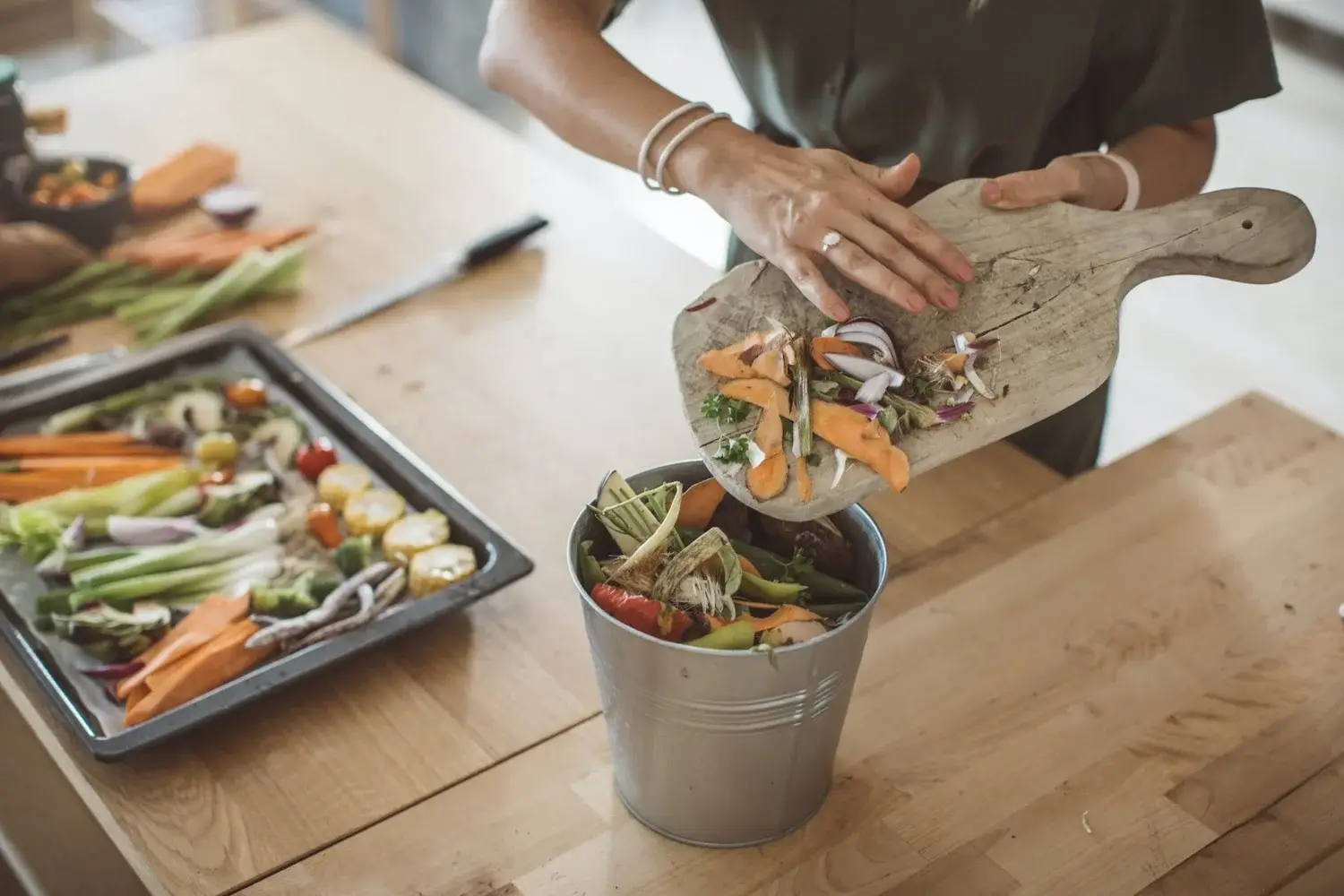
Household food waste remains one of the most persistent environmental and economic challenges facing Australia. Each year, the average household in the country discards around three hundred kilograms of edible food, sending it to landfill where it decomposes and produces methane, a greenhouse gas far more potent than carbon dioxide. The financial hit is equally sobering, with families effectively throwing away thousands of dollars annually in uneaten meals, wilted vegetables and forgotten leftovers. Governments at federal and state levels have set ambitious targets to halve food waste by 2030, but reaching those goals depends heavily on changes at the domestic level. The good news is that most of the waste is preventable through better planning, smarter storage and a willingness to rethink what belongs in the bin. Shifting ingrained habits takes time, yet a combination of rising grocery prices and growing environmental awareness is motivating many households to take the issue seriously for the first time.
Advertisement
Meal planning sits at the heart of waste reduction. Spending fifteen minutes on a Sunday to map out the week’s dinners, lunches and snack requirements can dramatically cut the number of impulse purchases that later spoil. The most effective approach involves checking what is already in the fridge, freezer and pantry before writing a shopping list, then sticking to that list at the supermarket. Families with children often find success by involving kids in the planning process, letting them choose one favourite meal and one new recipe to try each week, which reduces the likelihood of rejected plates and scraped leftovers. Digital tools have made this easier; a number of Australian apps now allow users to input what they have on hand and generate recipes that use those ingredients before they pass their prime. Even a simple whiteboard on the fridge door, listing each planned meal alongside the produce that needs to be used first, can serve as a powerful visual reminder that curbs overbuying.
Proper storage techniques extend the life of fresh produce by days or even weeks, yet most homes unwittingly accelerate spoilage. Fruit and vegetables often end up together in the crisper drawer when many should be kept apart. Apples, stone fruits and avocados release ethylene gas, which hastens ripening and decay in ethylene-sensitive items such as leafy greens, broccoli and carrots. Storing these groups separately or using ethylene-absorbing sheets can make a tangible difference. Herbs like coriander and parsley last far longer when treated like cut flowers, standing upright in a jar of water in the refrigerator with a loose bag over the leaves. Potatoes, onions and garlic prefer cool, dark and well-ventilated conditions outside the fridge, ideally in a hessian sack or paper bag rather than sealed plastic that traps moisture and encourages mould. Understanding just a few of these biological quirks means a lettuce bought on Monday can still be crisp on Saturday, eliminating the soggy green sludge that too often accumulates at the bottom of the vegetable drawer.