
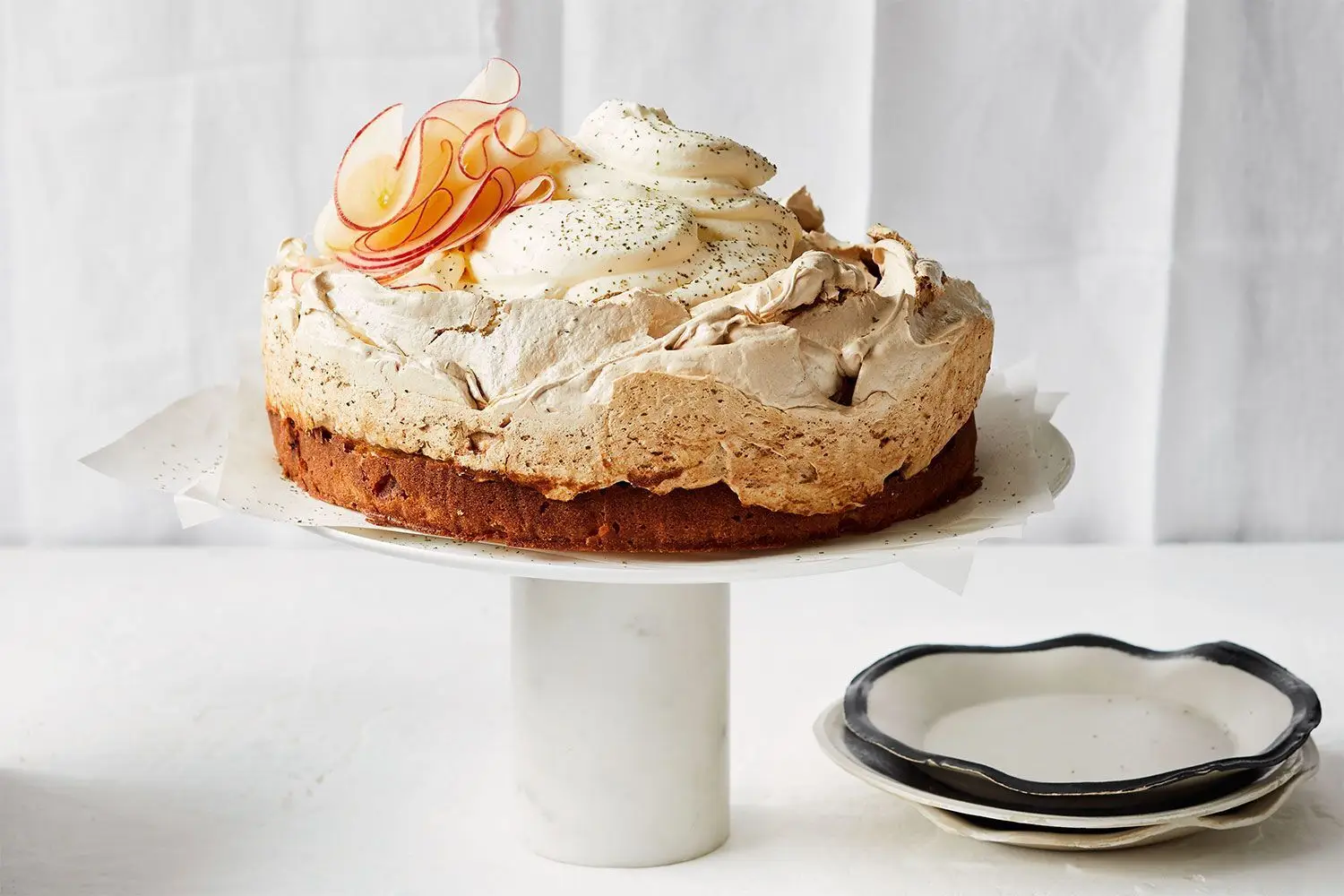
A quiet shift is taking place in kitchens across Australia, from apartment balconies in Melbourne to sprawling homesteads in the Riverina. Wattleseed and lemon myrtle, ingredients that have sustained Indigenous communities for tens of thousands of years, are finally being embraced by mainstream home cooks. This isn’t another fleeting food fad driven by social media but a deeper recognition of the unique flavours that grow on this continent. Roasted and ground wattleseed offers a nutty, almost mocha-like aroma with hints of hazelnut and a subtle spice, while lemon myrtle delivers a clean, intense citrus note that sits somewhere between lemongrass and lemon verbena. The rediscovery of these native foods reflects a broader curiosity about provenance, sustainability and the stories behind what lands on the dinner plate. More Australians are starting to ask not just where their food comes from but whose land it grew on first.
Advertisement
Wattleseed is exceptionally versatile once you understand how to draw out its character. The seeds of around 120 Acacia species are edible, though only a handful are commercially harvested, primarily in South Australia and the Northern Territory. Roasting deepens the flavour dramatically, turning a relatively bland raw seed into a complex powder that works beautifully in sweet and savoury dishes. Home bakers have taken to folding a tablespoon of wattleseed into damper, scones and shortbread, where its nutty warmth complements butter and golden syrup. Baristas have experimented with wattleseed lattes, blending the finely ground seed with steamed milk to produce a caffeine-free drink with a mild chocolate-coffee profile. In savoury cooking, wattleseed can be sprinkled over roasted pumpkin or mixed into a dry rub for kangaroo fillets, adding an earthy crust that caramelises under high heat. Its high protein and fibre content also make it a pragmatic pantry staple for health-conscious households, though the primary reason most people reach for it remains simple: it tastes unmistakably Australian.
Lemon myrtle has carved out a reputation as the queen of the native citrus herb garden. The glossy green leaves, when crushed, release an burst of citral, the essential oil compound that gives the plant its extraordinarily bright lemon flavour without any of the sharp acidity of actual lemon juice. It works effortlessly in dishes where traditional lemon might curdle dairy or overwhelm delicate proteins. Fish fillets wrapped in fresh lemon myrtle leaves and steamed or barbecued absorb a gentle citrus perfume without becoming watery. Dried and milled, the leaf blends into cake batters, custards and panna cotta, delivering a flavour that many describe as creamy lemon sherbet. Tea drinkers have long known its appeal; a few dried leaves steeped in hot water make a soothing, pale green infusion often paired with a spoonful of honey from native stingless bees. Chefs in Sydney and Brisbane are layering ground lemon myrtle through prawn dumplings and scallop ceviche, recognising that its flavour stays vibrant even when chilled. In the home kitchen, a small jar of the dried herb can replace lemon zest in almost any recipe while adding a distinctly Australian signature.