
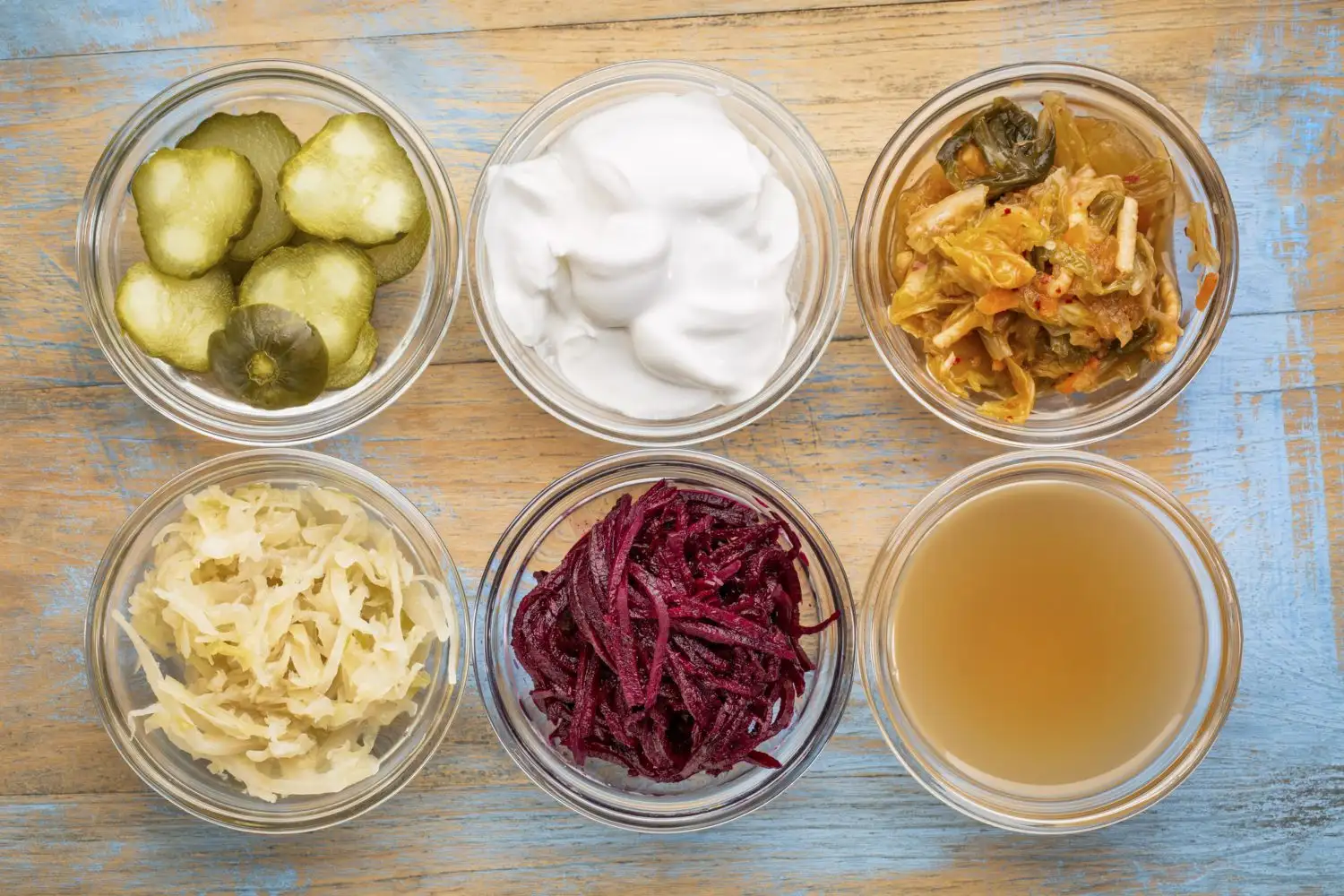
The jar of bubbling sauerkraut on the kitchen bench has become a familiar sight in Australian homes, signalling a renewed enthusiasm for fermentation that goes well beyond a passing wellness trend. Kimchi, kombucha, kefir and sourdough starter are now spoken of in the same casual tone once reserved for instant coffee and sliced white bread. The process of allowing beneficial bacteria and yeasts to break down sugars and starches is ancient, yet the modern appeal lies in how fermentation unlocks layers of complexity in flavour while naturally preserving fresh produce. In a country where seasons shape what is available and affordable, fermenting an autumn cabbage glut or a summer cucumber surplus makes practical sense. The satisfaction that comes from hearing the fizz of a newly opened bottle of homemade kombucha or folding a bubbly sourdough starter into flour and water has turned a biological process into a domestic ritual.
Advertisement
Sauerkraut and kimchi represent the entry point for many home fermenters because they demand little more than salt, vegetables and patience. The method relies on lacto-fermentation, in which salt draws water from shredded cabbage, creating a brine that inhibits harmful microbes while encouraging lactic acid bacteria to thrive. Over the course of a week or two, tanginess builds, texture softens slightly and the finished product can sit in the refrigerator for months. Australian cooks have adapted the technique to include native ingredients, adding shredded finger limes for a burst of citrus or finely diced bush tomatoes for an earthy, caramelised note. The same principle extends to carrots, radishes and beetroot, allowing home gardeners to preserve a bumper harvest without relying on vinegar or excessive heat that would destroy fragile vitamins. A forkful of homemade kraut alongside grilled sausages or a spoonful of kimchi stirred through warm rice adds brightness and acidity that cuts through richness, proving that fermentation is as much a culinary tool as a preservation method.
Kombucha brewing, once the province of health-food stores and niche cafes, has migrated into domestic kitchen corners across Brisbane, Perth and Hobart. A SCOBY, the rubbery symbiotic culture of bacteria and yeast that floats atop the sweetened tea, becomes something of a household pet, needing to be fed and split and occasionally shared with neighbours. Brewers quickly learn that the balance of sugar, steeping time and secondary fruit infusions determines whether the resulting drink is pleasantly tart, sweetly tangy or mouth-puckeringly sour. Australian summer berries, mango cheeks and passionfruit pulp make exceptional flavourings when added during the second fermentation stage, producing naturally fizzy beverages that rival any commercial soft drink without the need for artificial colours or preservatives. Those who stick with the practice often describe a shift in their palates, where the desire for heavily sweetened drinks fades and appreciation for subtle, acidic notes grows.