
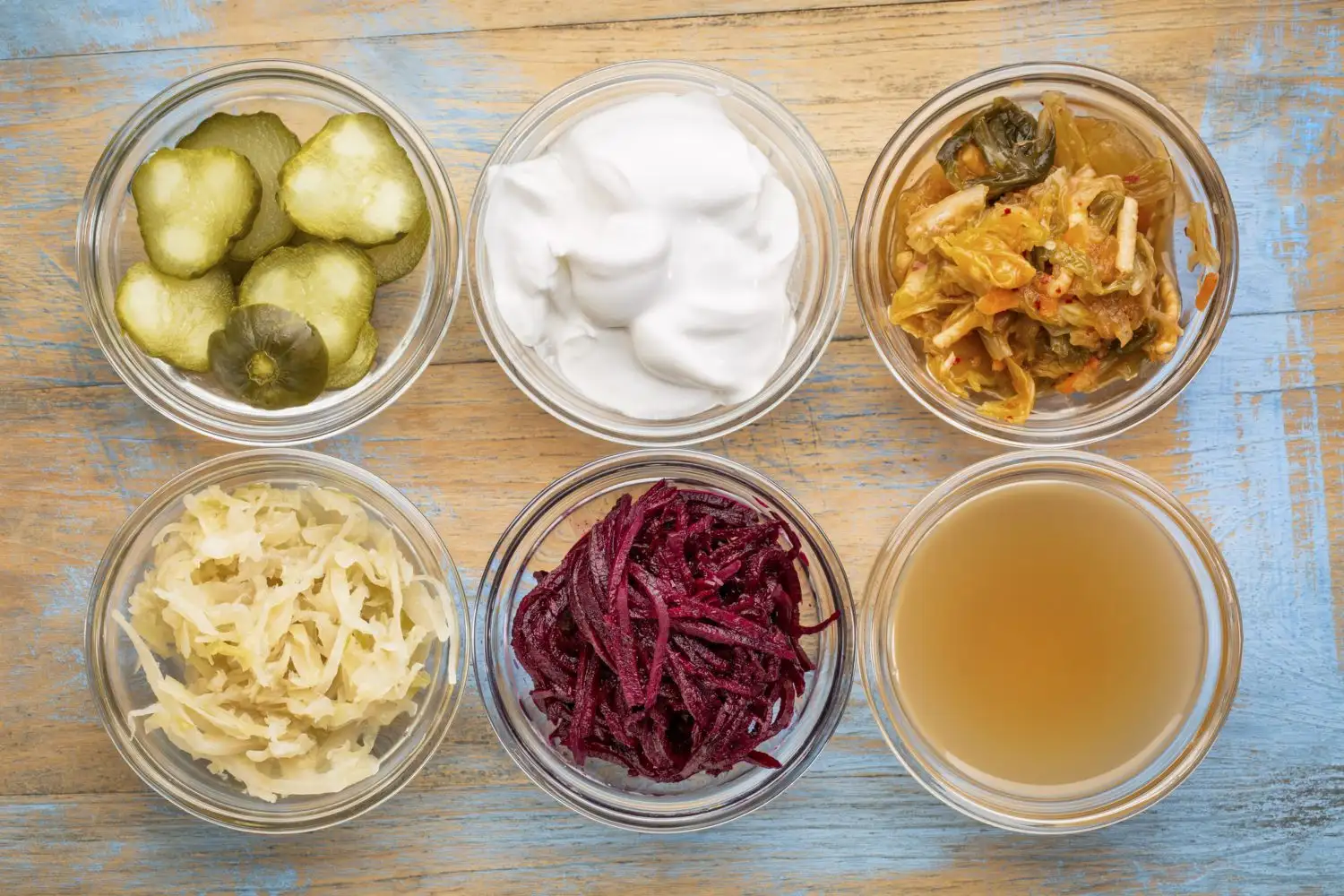
Milk kefir offers a different set of textures and flavours, a thick, pourable cultured dairy drink that sits somewhere between yoghurt and buttermilk. The kefir grains, small gelatinous clusters of bacteria and yeast, ferment milk at room temperature over roughly twenty-four hours, thickening it and imparting a mildly sour, yeasty taste. Some drink it straight, while others blend it with frozen blueberries or stir it into overnight oats. Water kefir, made with sugar water, dried fruit and a different type of grain, produces a lightly carbonated probiotic beverage that works as a base for homemade cordials. Maintaining the grains requires a routine of straining and replenishing, a rhythm that many find grounding rather than burdensome. A growing number of online communities dedicated to kefir swapping have sprung up on Australian social media platforms, connecting people who have excess grains with newcomers keen to start their own culture without purchasing a commercial starter.
Advertisement
Sourdough baking, propelled into the stratosphere during recent years, has settled into a lasting habit rather than a temporary lockdown obsession. The basics remain the same: flour, water, salt and a lively starter teeming with wild yeast and lactobacilli. Yet the education that took place around gluten development, hydration percentages and fermentation timing has left a lasting imprint on home baking culture. Many who started with a basic white loaf have progressed to experimenting with wholegrain spelt, rye and even the addition of native grains like kangaroo grass flour, which adds a subtle nuttiness and a distinctly Australian provenance. The lengthy fermentation process, often stretching across twelve to eighteen hours, breaks down complex carbohydrates and makes the bread easier to digest for some individuals, an observation frequently shared in baking circles without ever being dressed up as a formal health guarantee. The ritual of feeding the starter, mixing the dough in the evening and baking early the next morning fits into the slower rhythm that weekends were designed to accommodate.
As fermentation knowledge spreads through workshops, library talks and community garden demonstrations, the skills base across the country grows broader and deeper. What once appeared mysterious or intimidating has been demystified by the simple recognition that fermentation is, at its core, controlled spoilage guided by principles that are easy to learn. Food educators point out that safety is rarely an issue when basic hygiene and correct salt or acidity levels are maintained. The most common mistake is impatience, opening a jar too soon or discarding a batch because the slightly funky smell triggers an instinctive recoil. Experience teaches that the best flavours usually emerge with time, and that the sour, complex notes of a well-aged kimchi or the gentle fizz of a perfectly carbonated kombucha are worth the wait. Across suburbs and towns, the bubbling jars and clinking bottles tell the story of a culture rediscovering the quiet alchemy that transforms simple ingredients into something profoundly satisfying.