
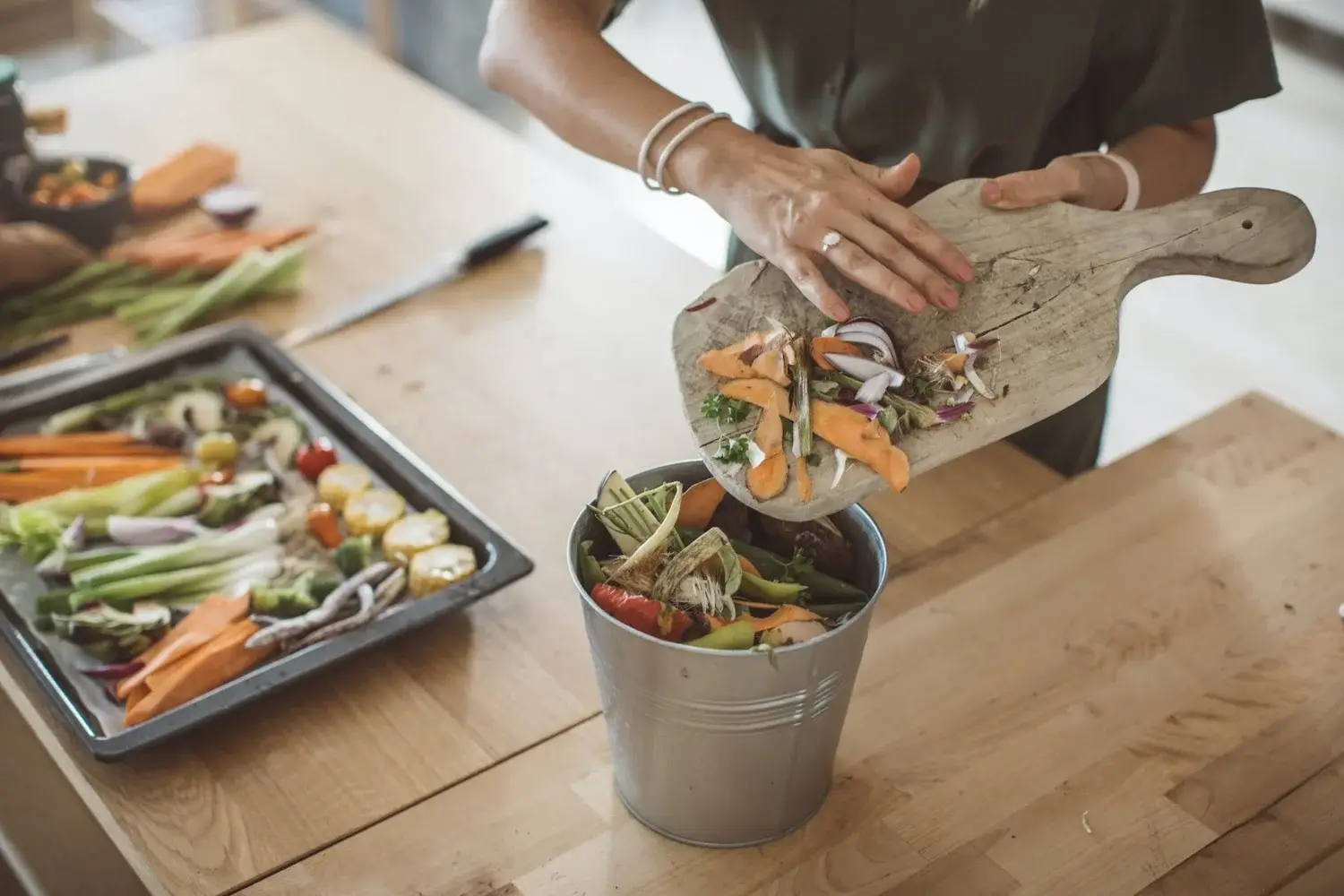
Even with careful planning, some food scraps are inevitable, and the way they are handled determines whether they become a resource or a liability. Composting turns organic waste into nutrient-rich soil conditioner, but not everyone has the backyard space for a traditional three-bin system. Apartment dwellers in Sydney and Melbourne are increasingly turning to worm farms and bokashi bins, compact systems that ferment food scraps anaerobically and produce a liquid fertiliser that can be donated to community gardens or used on balcony plants. Many local councils now offer subsidised composting equipment and run workshops on getting started, while a growing number of suburbs participate in Food Organics and Garden Organics kerbside collection services. These council-run schemes accept everything from meat and dairy to citrus and onion, materials that home composters often struggle to process, and convert it into agricultural-grade compost on a municipal scale.
Advertisement
Creative cooking with scraps is another habit that can quickly become second nature. Vegetable peelings, mushroom stalks and parmesan rinds simmered gently in water yield a rich stock that freezes well and serves as the foundation for soups, risottos and braises. Broccoli stems, often tossed aside in favour of the florets, can be peeled, sliced and stir-fried with garlic and soy, transforming into a crunchy side dish that surprises guests. Stale sourdough finds new life as croutons, breadcrumbs or panzanella salad, while overripe bananas disappear into muffins, smoothies or simply the freezer for future baking. The goal is not to pursue zero-waste perfection but to gradually shrink the gap between what is purchased and what is eaten. Communities that have embraced this mindset often speak of a lighter environmental conscience and a noticeable reduction in their weekly grocery bills, two outcomes that comfortably share the same plate.
Beyond individual households, the movement to reduce food waste is gaining structural support from retailers and producers. Major supermarkets in Australia have relaxed cosmetic standards on fruit and vegetables, introducing “imperfect” produce lines that sell at a discount and rescue wonky carrots and misshapen tomatoes from the waste stream. Food rescue organisations such as OzHarvest collect surplus meals from cafes, restaurants and events and redistribute them to people in need, addressing both waste and food insecurity in a single operation. These systemic changes amplify the effect of individual effort, creating an environment where the default option increasingly becomes to save food rather than discard it. As more Australians adopt a few key practices at home, the cumulative impact on landfill volumes, household budgets and the national carbon footprint looks set to be genuinely significant.