
Knitwear is the middle layer where much of the outfit’s personality resides. A fine-knit crew-neck in cashmere or extra-fine merino slips under a tailored jacket without causing the sleeve bunching that a chunkier knit would produce, while a V-neck frames the shirt collar and tie neatly. Cardigans have undergone a rehabilitation; the shawl-collared, chunky versions have been joined by lean, button-front styles in ribbed wool that read more like a knitted jacket than a grandparental comfort piece. The half-zip knit, once relegated to golf courses, has been reinterpreted by several Australian labels in a sleek merino and is being worn over a shirt with tailored trousers. The key is to keep the knit fitted enough that it does not create a ballooning silhouette under the jacket, and to ensure that the sleeve length is such that the shirt cuff is still visible, a small detail that signals attention to fit.
Advertisement
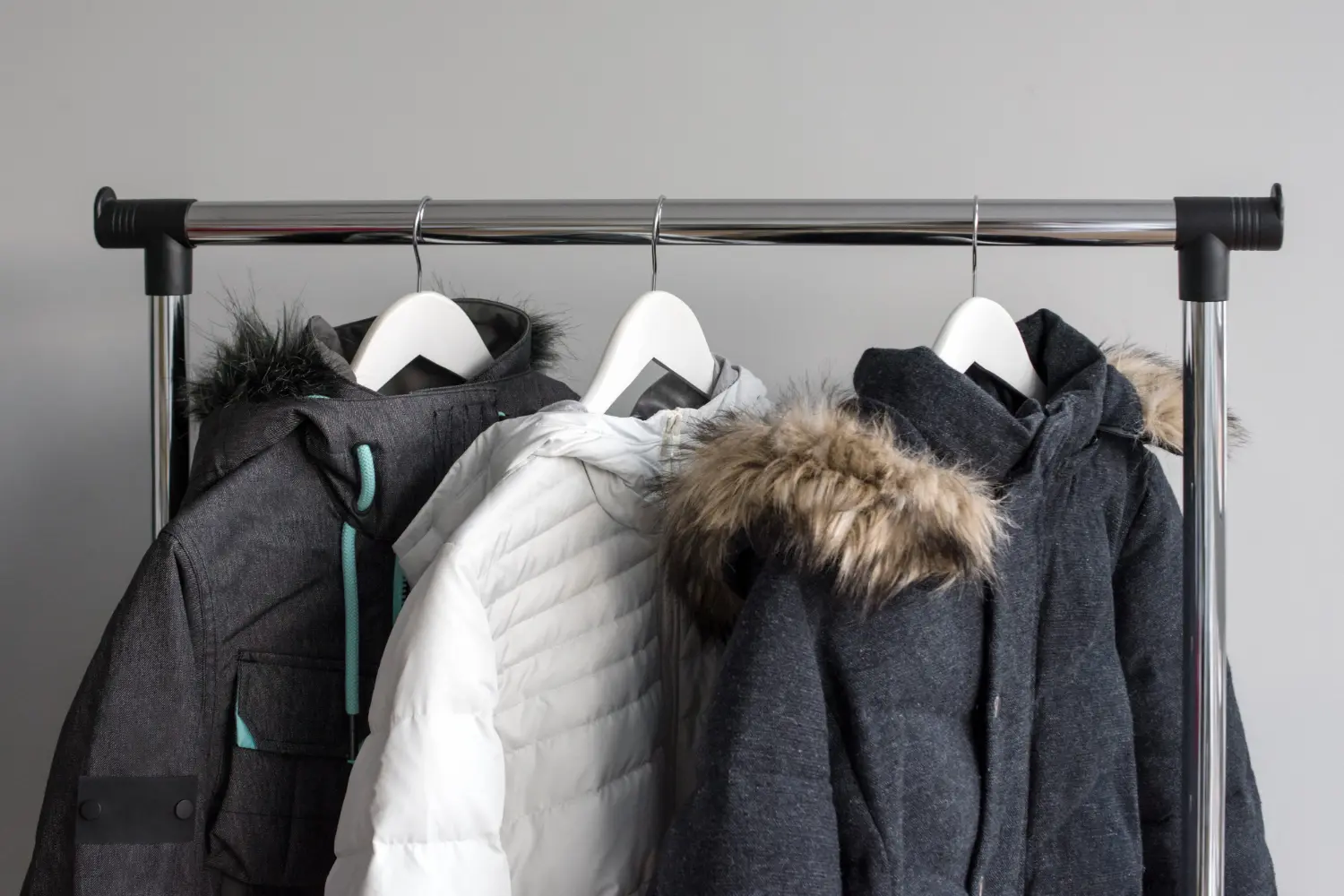
The jacket or coat is the top layer that completes the outfit and makes it legible to others. A softly constructed blazer in a wool flannel or a textured hopsack weave provides the structure that brings the layers into focus, its shoulders giving shape to the softer knits beneath. For days when a blazer feels too formal, an unstructured chore coat in a heavy cotton drill, wool melton or corduroy stands in effectively, particularly in creative and technology workplaces. The coat manages the transition between outside and inside, and the best winter offices have a coat storage situation that does not require staff to drape wet outerwear over the back of their chairs. An overcoat in a classic camel or grey wool, cut to accommodate a jacket underneath, is the final statement piece, and it is one of the few garments where a slightly relaxed, enveloping fit is actively desirable because it carries visual authority.
Footwear completes the winter layering picture and contributes to thermal comfort in ways that are often overlooked. A leather boot with a rubber sole provides insulation from cold office floors and allows a thicker sock than a summer loafer. The Chelsea boot, polished and simple, works with tailored trousers and a blazer, while a derby boot with a commando sole handles wet footpaths and leans into a more rugged aesthetic. The colour of the shoe should connect to the belt and, ideally, to the general warmth or coolness of the outfit’s palette. A dark brown suede boot harmonises with olive, burgundy and navy layers; black leather anchors a grey and charcoal scheme. The winter office outfit is a system, and when the system works, the wearer stays comfortable, looks considered and navigates the temperature swings between the commute, the meeting room and the air-conditioned workstation without a shiver or a sweat.