
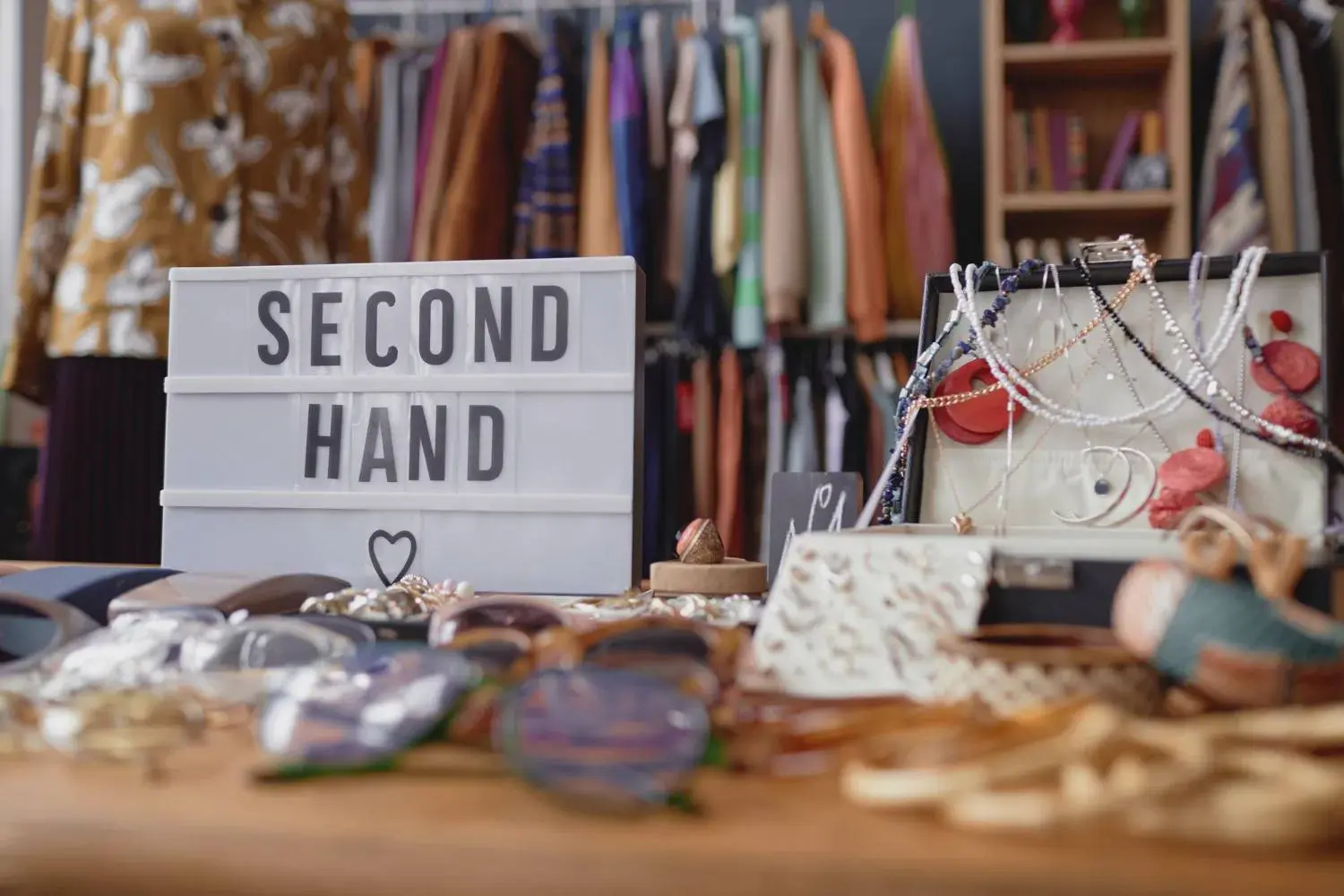
The environmental narrative around second-hand luxury is powerful but requires careful framing. Extending the life of an existing handbag or garment avoids the raw material extraction, manufacturing energy and transport emissions associated with producing a new item. This is straightforward and defensible. The more complicated conversation arises when the accessibility of pre-owned luxury encourages higher overall consumption volume, a pattern sometimes called the rebound effect. A consumer might buy three pre-loved bags for the price of one new one, still accumulating more than they need. The most environmentally consistent approach is to buy second-hand as a replacement for a new purchase rather than as an additional indulgence, though the platforms themselves are understandably hesitant to discourage selling volume. The area where second-hand luxury aligns most unambiguously with sustainability is in the preservation of craft, keeping pieces in use that were made to last decades and thereby honouring the skilled labour and quality materials that went into their creation.
Advertisement
The fashion industry’s relationship with its own secondary market is ambivalent. Brands have historically been wary of a market that they do not control and from which they capture no direct revenue. However, some luxury houses are now tentatively entering the space themselves, launching their own resale or repair programmes as a way of retaining a connection with customers who trade pre-owned pieces and as a demonstration of commitment to circular principles. A customer who sells a brand’s bag back to the brand’s own programme is more likely to put that credit toward another purchase from the same house than to wander to a competitor. The strategic logic is sound, but it requires brands to manage inventory, authenticate and price in a way that is foreign to the traditional wholesale-to-retail model.
For Australian consumers, the growth of the second-hand luxury market represents a democratisation of access. The aspirational customer who could never justify the full retail price of a designer handbag can now participate in that world, and the seasoned collector can trade pieces that no longer fit their lifestyle. The psychologist in the conversation might note that the hunt for a specific pre-owned item, scrolling through listings, setting alerts, negotiating a price, offers a form of shopping engagement that is more absorbing and satisfying than clicking “buy now” on a generic retail page. The market has matured into a permanent and structural feature of the luxury landscape, not a cyclical response to an economic downturn, and its trajectory points toward continued integration into how Australians think about buying and owning beautiful things.