
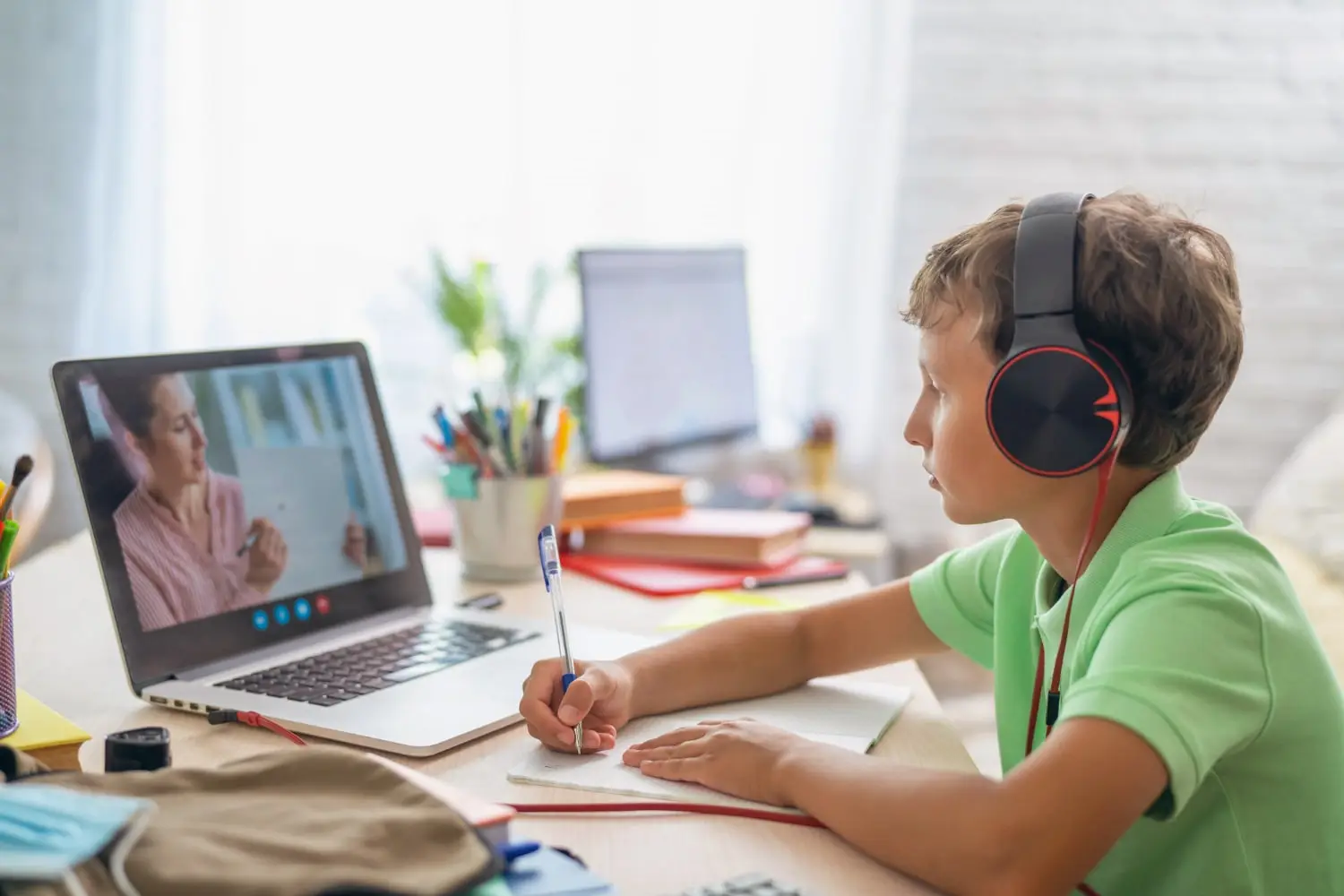
Teacher professional development has had to keep pace with the new tools. Remote educators cannot simply be handed a satellite connection and expected to thrive without training. Organisations such as the Isolated Children’s Parents’ Association and various state education departments have invested in coaching programmes that help teachers design engaging online lessons, manage hybrid cohorts where some students are in the room and others are dialling in, and recognise the mental health cues that are harder to detect through a screen. A particularly successful model has been the cohort-based online professional learning community, where teachers on remote placements connect with each other fortnightly to swap strategies, vent frustrations and celebrate small wins. Retention of staff in hard-to-staff schools improves when educators feel they belong to a network rather than labouring in isolation.
Advertisement
Parents and home tutors in geographically isolated families have long carried the burden of delivering education, and the new generation of remote learning tools has lightened that load without removing the crucial role they play. Schools of the Air, once reliant on HF radio, now use web conferencing with video and screen sharing, allowing a home tutor in a pastoral station kitchen to see the same materials as the teacher in Broken Hill and to assist a child in real time. Graded readers, interactive numeracy apps and virtual excursions to museums and art galleries in capital cities have enriched the educational experience in ways that were unimaginable a generation ago. The home tutor’s role shifts from primary instructor to learning coach, a partnership that many families describe as both more sustainable and more educationally effective.
The future of remote learning tools in regional Australia lies not in the pursuit of a single expensive platform but in a thriving ecosystem of interoperable, low-bandwidth-friendly solutions designed with genuine input from end users. The most promising developments are coming from Australian educational technology companies that prioritise accessibility, from text-based platforms that minimise data usage while supporting rich pedagogical interaction to adaptive learning systems that personalise content based on individual student performance. When combined with continued investment in regional connectivity, respectful engagement with Indigenous knowledge systems and a stubborn refusal to accept that geography should determine educational destiny, the tools now available have the potential to reshape what is possible for the one in five Australian students who live outside major urban centres.