
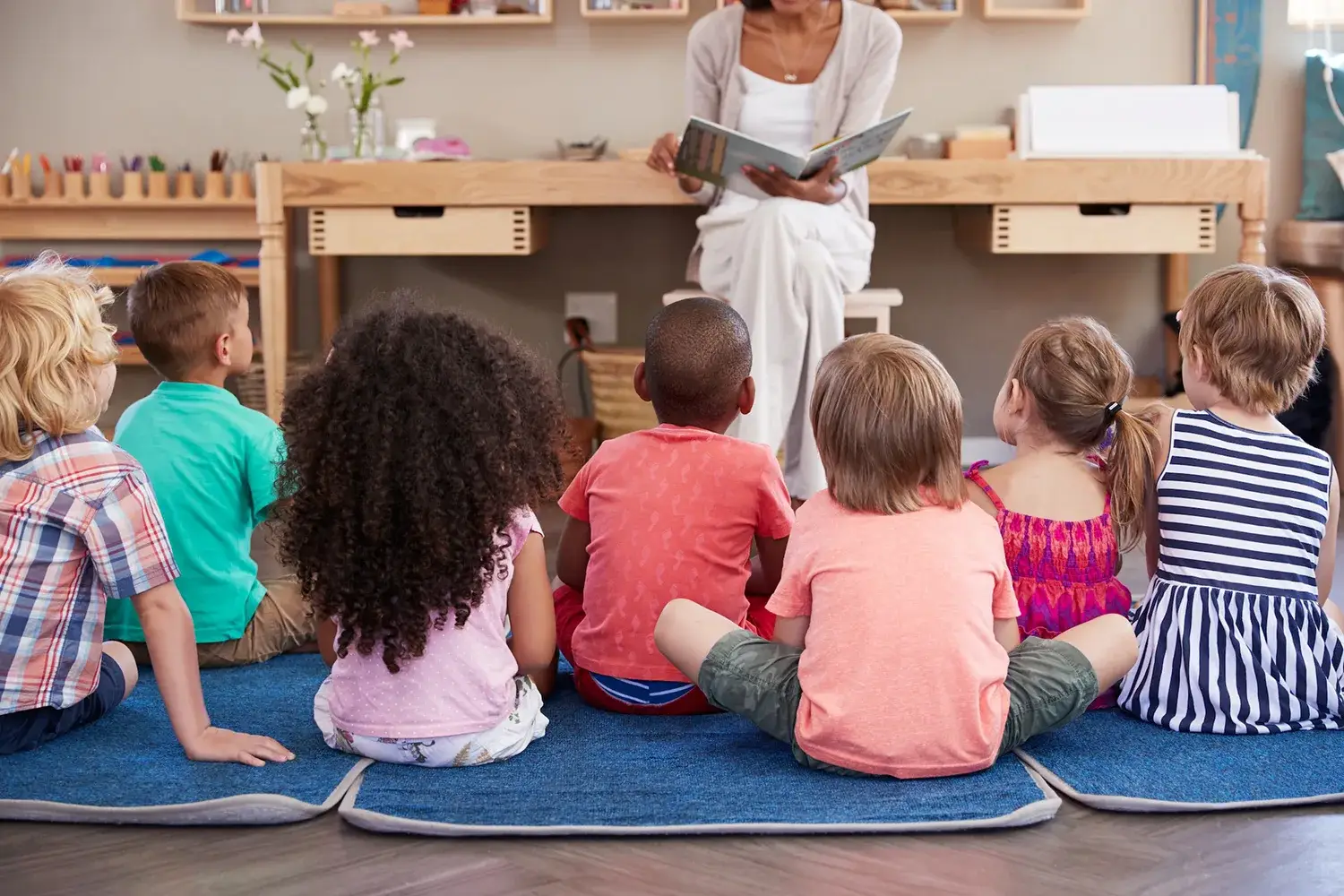
Reading is foundational, yet Australia continues to grapple with a persistent tail of early childhood literacy underachievement that carries consequences across a lifetime. The way children are taught to read in the first three years of school has been the subject of intense national debate, culminating in a broad consensus that systematic, explicit phonics instruction must form the backbone of early literacy teaching. State governments in New South Wales, South Australia and Victoria have adopted curriculum reforms and screening checks that reflect this evidence, rolling out phonics screening assessments for Year 1 students to identify those who are struggling before the gap widens into intractable disadvantage. The data emerging from these initiatives in 2026 paints a cautiously optimistic picture: more children are cracking the alphabetic code early, though significant disparities persist along geographic, socioeconomic and Indigenous lines.
Advertisement
The classroom practice that underpins improved outcomes involves a structured literacy block in which children are explicitly taught the relationship between sounds and letters, build words from these sound-letter correspondences and practice reading with decodable texts that align with the letter patterns they have learned. This approach stands in contrast to earlier methods that encouraged children to guess words from pictures and context, strategies that research from multiple countries has shown to be less effective, particularly for children with learning difficulties such as dyslexia. Australian teachers, many of whom were trained in university programmes that did not emphasise the science of reading, have had to undertake substantial professional development to build confidence in delivering systematic phonics. The willingness of the teaching workforce to engage with this shift, often in their own time and at their own expense, deserves recognition as a key factor in the early signs of progress.
Parents and carers play a role that no school can replace. The number of words a child hears, the conversations that occur around the dinner table and the presence of books in the home in the years before school begins create the oral language foundation on which literacy is built. Public health campaigns in several states have urged parents to read aloud to children from infancy, and library programmes such as story time sessions and the distribution of free book packs to new families have expanded their reach. In communities where low adult literacy rates are intergenerational, community-run family literacy programmes that support parents to develop their own reading skills alongside their children have shown particular promise. These programmes are delicate to implement, requiring sensitivity and trust, but the dual-generation benefit makes them a high-value investment.