
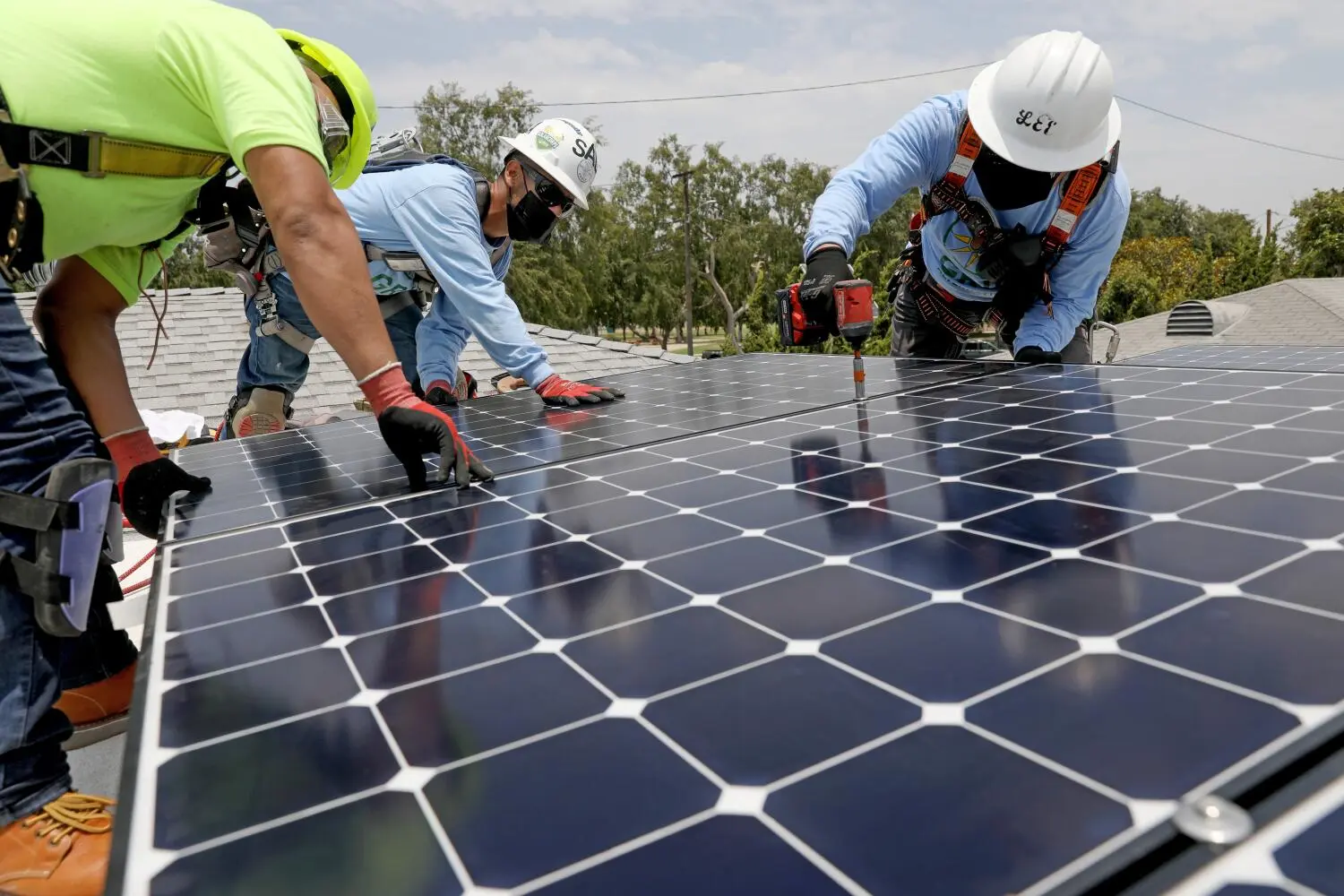
The commercial and industrial segment is navigating the price environment with a pragmatic eye on the long term. For a manufacturing facility or a refrigerated warehouse that operates predominantly during daylight hours, solar still delivers a levelised cost of energy that compares very favourably with grid electricity, even after accounting for the higher upfront capital outlay. The conversation with finance directors has shifted from “will this pay for itself” to “how do we model a range of payback scenarios that account for future electricity price paths, potential feed-in tariff changes and panel price fluctuations”. Banks and specialist green lenders, familiar with the asset class after years of solar lending, continue to offer competitive finance terms, treating solar as a mature, bankable technology.
Advertisement
The policy environment adds another variable to the equation. The federal government’s Small-scale Renewable Energy Scheme continues to provide point-of-sale discounts through the creation of tradable certificates, but the deeming period over which certificates are calculated is being reduced periodically, gradually lowering the subsidy available. State-level solar battery rebates and interest-free loan schemes remain popular but are oversubscribed, with some programmes pausing new applications when allocated funds are exhausted. Solar advocacy groups have called for a more consistent and long-term policy framework that would give the industry the certainty needed to invest in workforce training and supply chain resilience. The stop-start nature of some incentive programmes has contributed to boom-bust cycles that complicate business planning.
For consumers, the advice from independent energy consultants remains broadly consistent: a well-designed solar system on an unshaded Australian roof is likely to deliver strong returns over its warranted life, but the due diligence bar has risen. Obtaining multiple quotes, understanding the inverter and panel specifications rather than fixating solely on price, checking installers’ accreditation with the Clean Energy Council, and realistically modelling self-consumption rather than relying on optimistic assumptions about feed-in revenue are all smart steps. The days when solar was an impulse buy on an unsustainably cheap price trajectory are probably over, but the technology’s fundamental ability to convert abundant Australian sunshine into electricity at a competitive cost remains intact. The market is simply recalibrating, and that recalibration demands a more considered approach from buyers.