
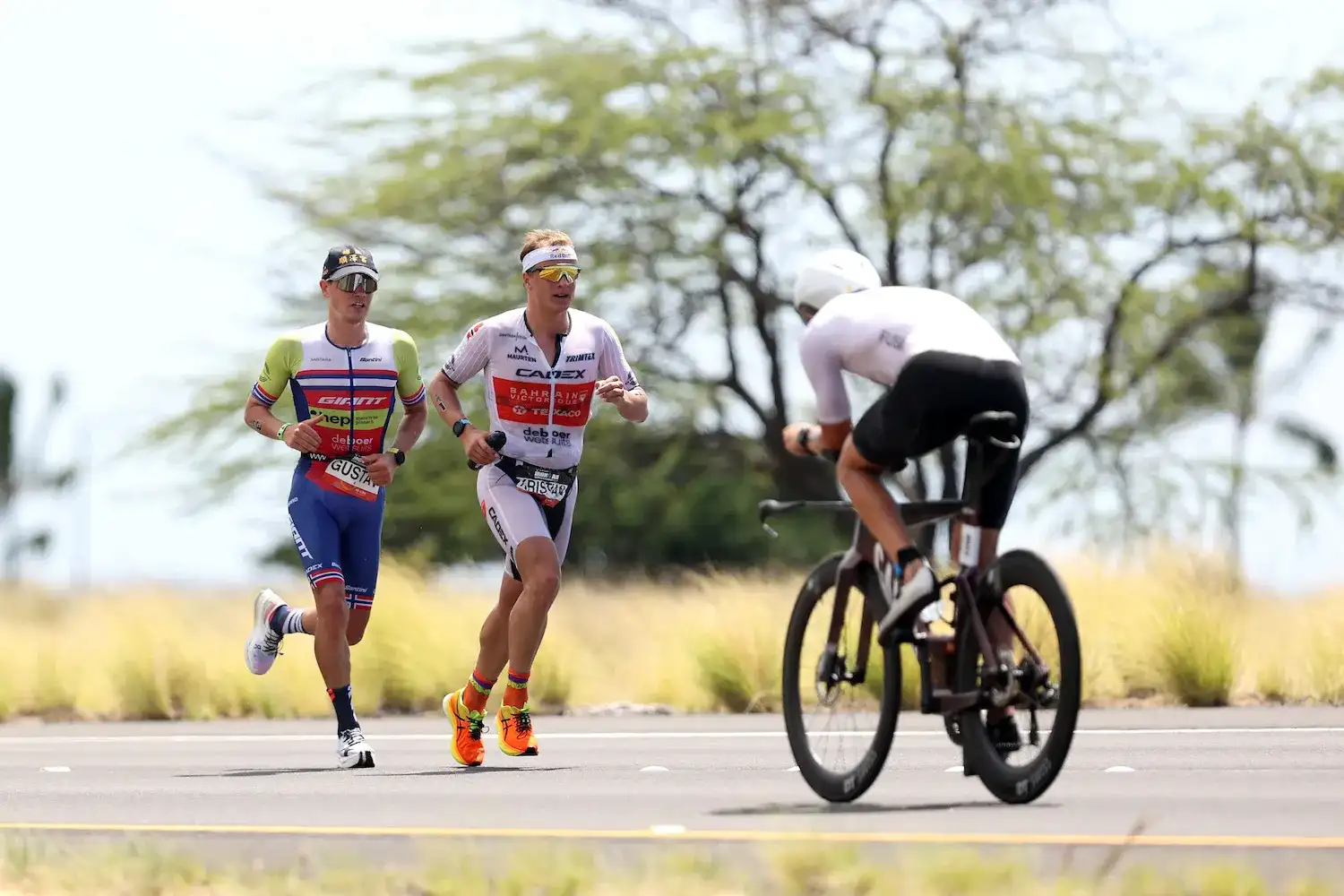
Session timing has shifted as the summer heat has become more intense. The early-morning start, already a staple of triathlon culture due to work and family commitments, has become a non-negotiable for long sessions during the hottest months. In some parts of the country, the pre-dawn window is the only period of the day when the temperature and the radiant heat from the sun are low enough to allow a quality three-hour ride or a ninety-minute run to be completed safely by an athlete who is not a professional with the luxury of sleeping through the middle of the day. Indoor training on smart trainers and treadmills has also increased, not as a replacement for outdoor training but as a tool for heat avoidance on the most extreme days. The platforms that allow triathletes to ride and run together in virtual environments have improved significantly, and the social dimension they provide reduces the sense of isolation that can come from spending long hours training indoors.
Advertisement
Cooling strategies employed during races have become a differentiator, particularly in long-course events such as Ironman-distance triathlons where athletes are exposed to the sun and the reflected heat from bitumen for eight or more hours. Ice socks tucked into the back of a tri-suit, cold sponges handed up at aid stations, iced water poured over the head and neck, and specially designed cooling vests slipped on in transition are all now common sights. The pre-cooling protocols that some athletes employ before a race, involving an ice slurry drink or a short cold-water immersion, are designed to lower the body’s core temperature so that there is a larger margin before the onset of performance-limiting hyperthermia. The marginal gains are small individually, but in a sport where seconds and minutes matter, the cumulative effect of a well-executed cooling strategy can be the difference between a personal best and a miserable death march.
The broader conversation within the triathlon community is about sustainability and safety, not just performance. Coaches are educating athletes to recognise the early warning signs of heat illness, which can include irritability, confusion and a cessation of sweating in hot, dry conditions, signs that are easy to miss when an athlete is fatigued and focused on holding a target pace. Race directors are being more proactive about modifying or shortening courses on extreme heat days, and triathlon’s governing bodies are developing clearer heat policies that outline the threshold conditions at which the swim, bike or run segments will be reduced or cancelled. The sport is learning that adapting to a hotter climate is not just about faster times but about ensuring that people come home from their training sessions and races healthy and ready to do it again. That shift in mindset, from pushing through to managing smart, may be the most important adaptation of all.